what hats were popular in the 80s
The Headwear That Defined a Decade
The 1980s was a decade of deliberate excess of shoulder pads engineered to command a room, of hair teased to improbable heights, of color palettes that refused all restraint. And crowning it all, quite literally, were the hats. In an era when personal style functioned as public declaration, headwear occupied a uniquely expressive position in the fashion lexicon. A hat in the 1980s was never merely functional; it was a signal, a tribal marker, a carefully chosen emblem of identity. Whether you were aligning yourself with the emergent hip-hop underground, the preppy establishment, or the art school avant-garde, your choice of headwear said everything that needed saying before you had uttered a single word.
The Headwear Hierarchy, The Dominant Silhouettes of the Era
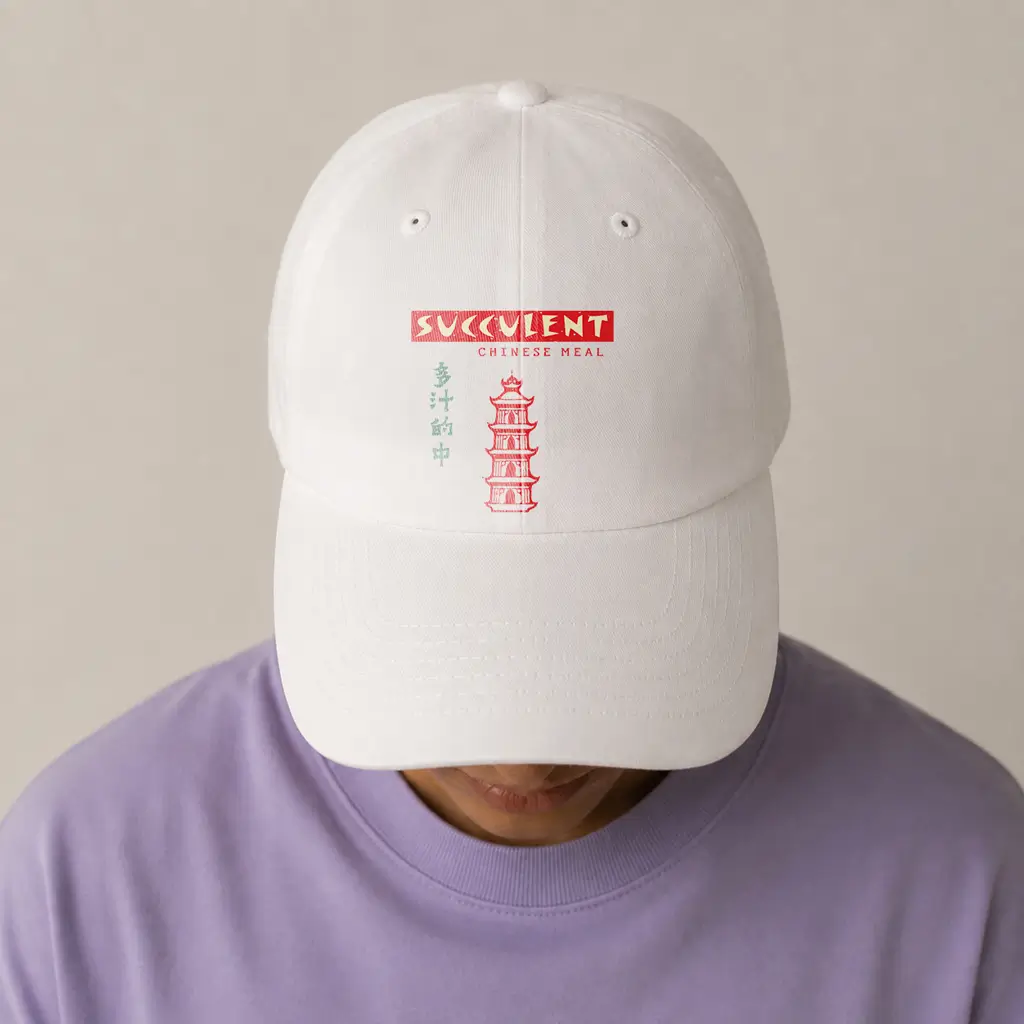
No single piece of 1980s headwear proved more versatile or more culturally pervasive than the baseball cap. Liberated entirely from its athletic origins, it became one of the decade’s most effective canvases for self-expression, worn by athletes and artists alike, emblazoned with brand logos, band insignia, and graphic designs that ranged from the subtle to the ostentatiously bold. Worn forwards, backwards, or cocked at an angle, the cap’s meaning shifted with each slight adjustment of its brim.
Running alongside it in the casual hierarchy was the trucker hat mesh-backed, foam-fronted, and carrying with it a studied indifference to fashion that was, paradoxically, deeply fashionable. To wear a trucker hat in the 1980s was to project a particular attitude: unhurried, unimpressed, entirely at ease. It was the headwear equivalent of a shrug, and the decade embraced it accordingly.
The Street Style Divide: Hip-Hop Culture Meets the Skater Aesthetic
The 1980s witnessed the crystallization of street culture into distinct and rival aesthetic traditions, and nowhere was this more visibly enacted than in the realm of headwear. Within
The 1980s witnessed the crystallization of street culture into distinct and rival aesthetic traditions, and nowhere was this more visibly enacted than in the realm of headwear. Within the rapidly ascending hip-hop scene, the Kangol became the article of faith. LL Cool J wore it low over his eyes; Run-DMC made it inseparable from their image of sharp, confident swagger. The Kangol’s clean, uncluttered silhouette projected a particular brand of urban cool composed, deliberate, entirely self-possessed. The fedora, too, found a natural home within this world, its classic lines reinterpreted through a streetwear sensibility that stripped away any vestige of stuffiness.
Across the cultural divide, the skateboarding and punk scenes reached for entirely different headwear vocabularies. The beanie slouchy, unpretentious, pulled low communicated a rejection of mainstream aspiration that was central to both subcultures’ self-conception. The flat cap served a similar function: utilitarian in appearance, but laden with subcultural significance for those who understood the codes. These were not hats designed to impress; they were hats designed to declare allegiance.
A Touch of Elegance, Old-World Glamour Reborn
In striking counterpoint to the decade’s more anarchic tendencies, a current of genuine elegance ran through 1980s headwear, drawing on the past while inflecting it unmistakably with the present. The fedora, in this context, underwent a remarkable reinvention. Softened in its construction and worn with a new nonchalance, it became the signature accessory of Michael Jackson an artist whose entire aesthetic rested on the productive tension between classical grace and contemporary dynamism. Through him, the fedora acquired an almost mythological status.
For women navigating the decade’s more formal or preppy registers, the pillbox hat and the wide-brimmed sun hat offered a connection to mid-century refinement. Paired with tailored blazers and cultivated accessories, these styles carried a deliberate nostalgic weight, a knowing reference to an earlier era of composed, studied femininity filtered, inevitably, through the decade’s own irrepressible energy.
The Unexpected Icons: Visors, Berets, and the Art of the Surprise
The 1980s reserved a particular affection for the fashion statement that arrived from an unexpected angle, and the era’s more eccentric headwear choices exemplified this tendency perfectly. The plastic visor previously confined to the genteel world of tennis and golf erupted into mainstream fashion in shades of neon that bore no relationship whatsoever to its sporting origins. Worn as much for visual impact as for any practical purpose, it became one of the decade’s most cheerfully absurd accessories.
The beret, meanwhile, underwent a more intellectually charged rehabilitation. Adopted by new wave artists and musicians Annie Lennox among the most prominent it came to represent a creative and philosophical disposition, a quiet allegiance to ideas over image. Worn tilted, worn without apology, it communicated a cool that was altogether different in character from the extroversion that defined much of the decade: inward rather than outward, contemplative rather than declarative.
Together, these hats compose something more than a catalogue of accessories. They map the 1980s as a cultural landscape of competing identities, rival aesthetics, and urgent questions about who one was and who one wished to be seen as. In a decade defined by its appetite for self-invention, the hat modest in scale, enormous in implication proved to be one of the most eloquent instruments of all.