

The Definitive Guide to 80s Tees, Why the Decade’s Most Storied Shirts Are Worth Owning

The Definitive Guide to 80s Tees


The T-shirt didn’t just survive the 1980s. It got promoted.

Before the eighties, the T-shirt was an undergarment, a blank canvas, a utilitarian afterthought tucked beneath flannels and denim jackets. Then something shifted. Concert halls, movie sets, skate parks, and college campuses turned the humble cotton tee into the decade’s loudest editorial statement. By 1985, what you wore on your chest told people more about you than your job title ever could.

That cultural transmission didn’t fade when the decade ended. It calcified into something rarer: authenticity. Today, a genuine 80s tee, or a well-made reproduction that honors the era’s design logic, carries a weight that no algorithm-generated graphic can replicate. Here’s what you need to know before you buy one.

What Actually Made 80s Tees Different

The visual grammar of the 1980s T-shirt was built on excess by design. Screen printing technology had matured just enough to handle multi-color, large-format graphics, and everyone wanted to prove it. Brands, bands, and movie studios all went bigger, louder, and more saturated than the decade before.

A few defining characteristics set the era apart.

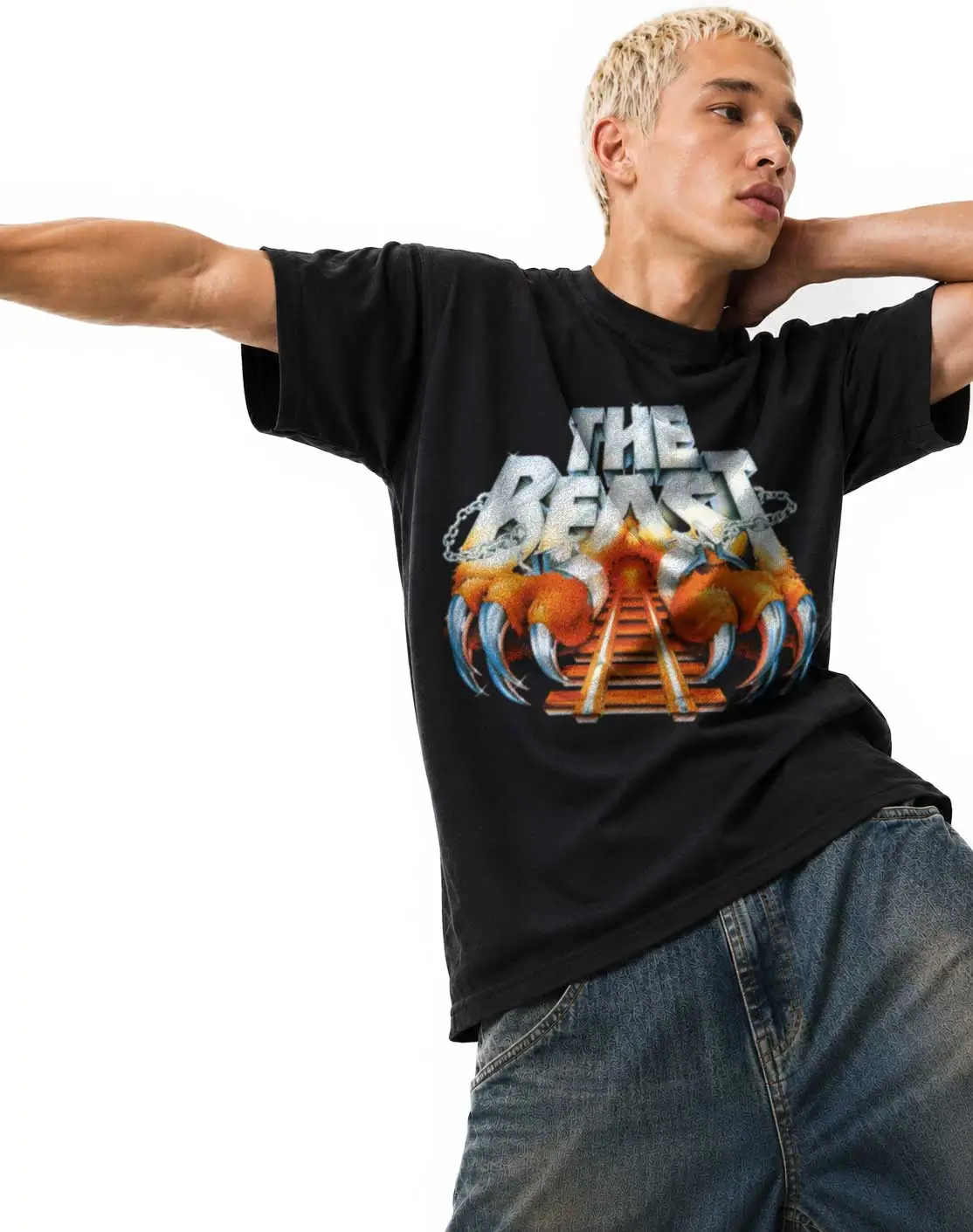
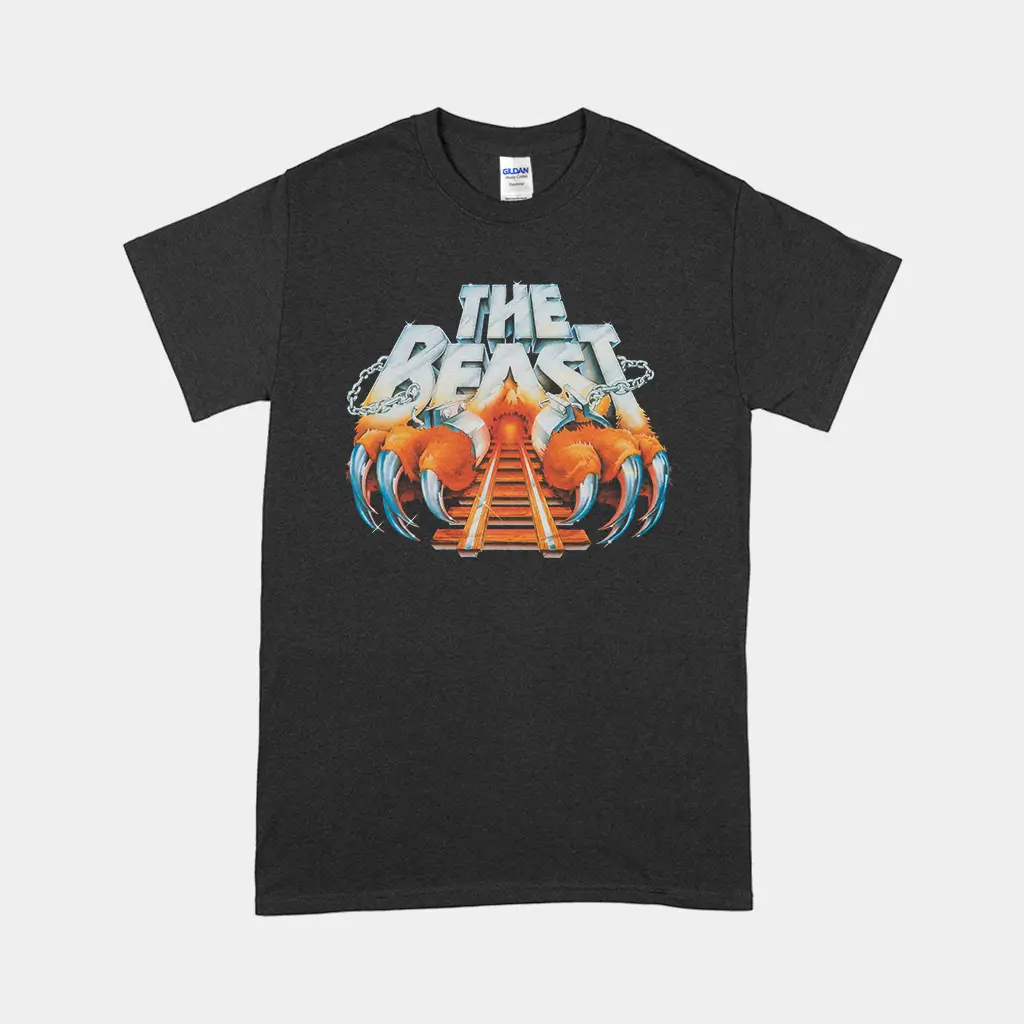
The oversized chest graphic. Not a discreet left-chest logo. Not a minimalist wordmark. A front-and-center illustration, often spanning shoulder to shoulder, that demanded you look at it. Iron Maiden’s Eddie, the skull from The Punisher, a neon palm tree above a Miami skyline: these were canvases, not clothes.

The fade. Vintage 80s tees develop a specific kind of color degradation: cracked ink, washed-out pigment, a softness in the cotton that no factory process has fully replicated. The best reproduction pieces deliberately build that worn-in quality into the fabric and print from the first wash.
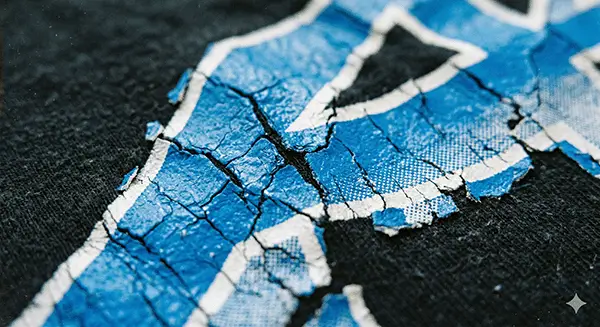
Ink That Earned Its Cracks

The cut. American-made tees of the era ran boxy and generous. Shoulders sat wider, hems dropped lower, the chest had room to breathe. That silhouette reads as vintage even on a rack of modern pieces, and it’s one of the first things serious collectors check.

The cultural specificity. An 80s tee wasn’t generic retro. It was a tour date in Cincinnati on November 14th, 1983. It was the regional promo shirt for a film that never made it to wide release. It was the softball league shirt from a bar in Tucson that closed in 1991. Specificity was the point. That’s what made wearing one a statement.

The Categories That Matter


Not all 80s tees are equal. If you’re building a collection, or just trying to buy one piece that actually holds its value, understanding the categories is essential.

Band and Concert Tees

The most sought-after category, full stop. Shirts from major 1980s tours, The Clash’s Combat Rock tour, Bruce Springsteen’s Born in the USA run, Metallica before the Black Album changed everything, now command serious money at auction. Originals in good condition from a headlining 1984 act can fetch anywhere from $300 to well over $1,000 depending on the band, the tour leg, and the condition of the print.

For buyers who want the look without the collector’s premium, the key is finding reproduction pieces that didn’t cut corners on the graphic. Washed-out ink on a 100% cotton blank, a slightly off-register print, a chest hit that sits a touch lower than modern tees: these are the signals of a reproduction made by people who actually understand what they’re reproducing.

Movie and TV Promotional Tees

The 1980s were the golden age of the promotional T-shirt. Studios handed them out to theater chains, video rental stores, and press junkets with the enthusiasm of brands discovering influencer marketing. E.T., Top Gun, The Breakfast Club, Back to the Future each left behind a trail of cotton merchandise that has aged into genuine cultural artifact.

These tees are distinct from band shirts because they weren’t sold; they were circulated. Finding one in the wild still feels like a score. Reproductions in this category work best when they lean into the era’s specific color choices: turquoise, coral, yellow-orange, and that particular shade of burgundy that appeared on approximately forty percent of all 80s clothing.

Surf, Skate, and Sportswear

Brands like Vision Skateboards, Santa Cruz, Stüssy, and Ocean Pacific weren’t just clothing companies in the 1980s. They were cultural identifiers. Wearing an OP tee in 1986 said something specific about where you spent your summers and who you listened to on the way there. The graphics from this category, bold geometric patterns, jagged typography, sun-bleached palettes, have aged particularly well because they were never trying to be timeless. They were trying to be right now. Which, paradoxically, is what makes them last.

College and Athletics

The Velva Sheen era. The Russell Athletic era. Thick 50/50 blends, tackle twill letters, screen-printed mascots with more personality than anything a modern design team would approve. The aesthetics here are quieter than concert tees, but the quality of construction from American mills during this period is genuinely superior to most of what’s being made today. A heavyweight 50/50 from an 80s university athletics program is a different object than a modern soft-blend tee. It has structure, a stiffness in the collar, a body that holds its shape.

What to Look For When You Buy

Whether you’re sourcing vintage or buying a reproduction, a few rules separate quality from costume.

Cotton weight is everything. The lightest tees from the era ran around 5.5 oz. The heaviest, primarily sportswear and workwear-adjacent blanks, pushed past 7 oz. Modern vintage-inspired tees often land around 4.3 to 4.8 oz to hit a comfortable price point. That’s not wrong, but it’s not what the era actually felt like on your back. If a piece claims to be a serious 80s reproduction, the fabric weight should be part of the conversation.

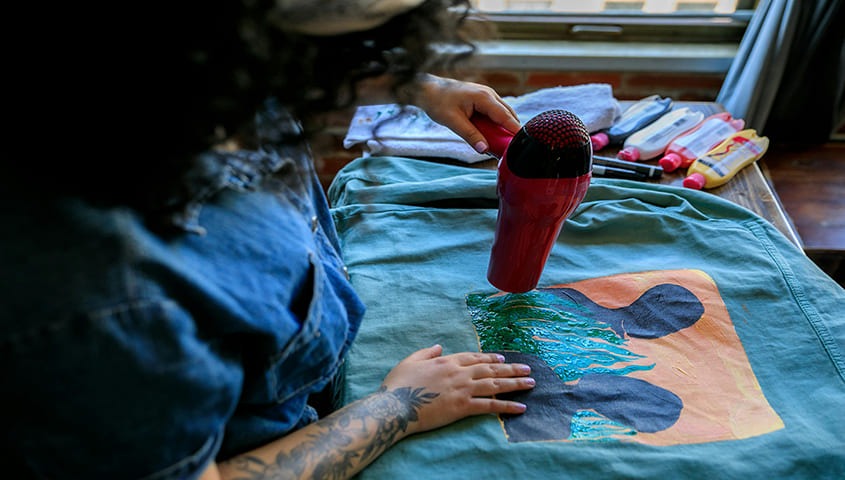
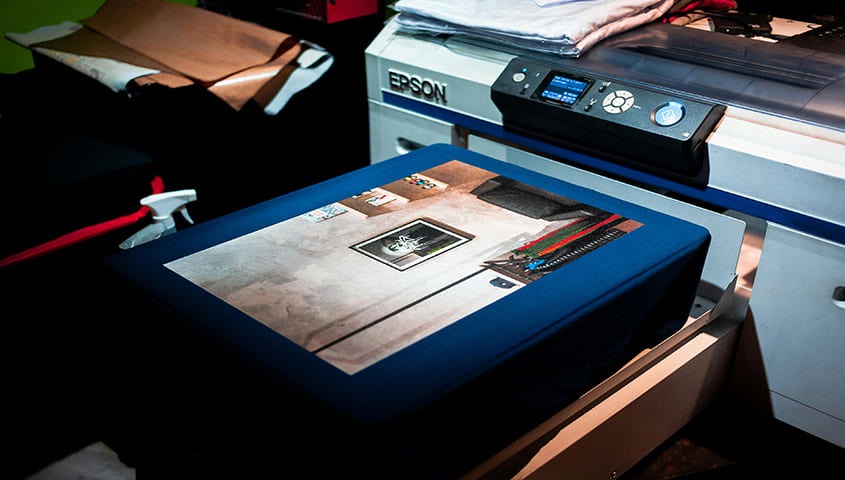
Check the print process. Vintage 80s graphics were almost universally produced via plastisol screen printing, a process that sits on top of the fabric rather than bonding into it. The result is a slightly raised, slightly reflective print that cracks with wear in a characteristic way. Water-based inks and direct-to-garment printing can look similar initially, but they age differently and they feel different under your fingers. For serious reproductions, plastisol or discharge printing is the honest choice.

Cracked plastisol print

Understand the colorways. The 1980s had a specific relationship with color that’s harder to replicate than it looks. The decade didn’t just use bright colors; it used specific combinations: black with neon green, white with electric blue, heather gray with burgundy and gold. Getting the hue right matters. A reproduction that shifts the coral to salmon, or softens the cobalt to a dusty blue, loses the visual punch that made the originals work.

The label tells a story. On genuine vintage pieces, the brand label, Fruit of the Loom, Hanes, Screen Stars, is a timestamp as reliable as the print itself. The fonts, the country of origin, the fiber content labeling conventions all changed at specific points in the decade. Serious collectors use label databases to date pieces. For buyers who just want authenticity, the presence of a period-correct label signals that somebody cared about getting the whole thing right.
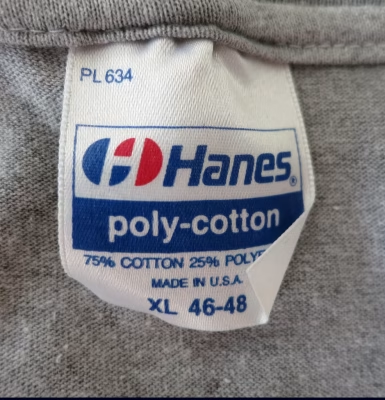
Hanes poly-cotton, 75% cotton 25% polyester, Made in U.S.A. 

The Resale Market in 2026

The market for 80s tees has never been more liquid, or more complicated. Platforms like Grailed, Depop, and eBay have created a global market for vintage, but they’ve also created a global market for misrepresented vintage. Band tees from the 1980s are among the most commonly counterfeited items in streetwear resale, and the counterfeits have gotten considerably better.

The honest answer is that provenance matters more than aesthetics when you’re buying at the higher end of the market. A tee that came from an original owner, with photographs of it being worn at the event it commemorates, is worth more than an identical-looking piece with no paper trail. Not because the cotton is better, but because the story is verifiable.

For buyers in the mid-range market, under $200, not collecting for investment, the distinction matters less. Here, the question is simpler: does this piece look and feel like the real thing, and was it made by people who actually knew what they were reproducing? That question is answerable if you know what to look for.

Why They Still Matter

There’s a reason 80s tees have refused to become nostalgia objects. Nostalgia is passive; it asks you to remember something fondly. These shirts are doing something more active. They’re making an argument about what visual culture can accomplish when it’s allowed to be excessive, specific, and unafraid of color.

The decade produced a lot that aged badly. The fashion industry, in particular, has spent forty years selectively mining the 1980s for its best ideas while quietly burying its worst ones. What survived that editing process, the tees, primarily the tees, survived because they were never pretending to be anything other than exactly what they were. A concert you attended. A film you loved. A brand you rode for. A place you called home.

That’s what you’re wearing. Not vintage. Not retro. Not throwback. A record.

Looking for the right piece? Browse our full selection of 80s tees →, sourced and reproduced with the kind of attention the era deserves.


PayPal Pay in 4

PayPal Pay in 4

Split Your Purchase into Interest-Free Payments? 

What Is PayPal Pay in 4?

PayPal Pay in 4 is a buy now, pay later service that splits your purchase into four equal, interest-free payments. Instead of paying the full amount upfront, you pay 25% at checkout and the remaining three payments every two weeks. This service is integrated directly into our checkout process, making vintage-inspired quality apparel more accessible without credit card interest charges.

How It Works

The process is straightforward and transparent. When you reach checkout, select PayPal as your payment method. If your order qualifies, you’ll see the Pay in 4 option. Choose this payment plan, and PayPal will automatically divide your total into four equal installments.

Your first payment occurs immediately at checkout. The second payment processes two weeks later. The third payment follows two weeks after that. Your final payment completes the cycle two weeks later meaning your purchase is fully paid within six weeks total.

Eligibility Requirements

Not all purchases automatically qualify for Pay in 4. PayPal evaluates several factors when determining eligibility. Your purchase must be between twenty-five dollars and fifteen hundred dollars to qualify. You need a PayPal account in good standing new accounts or accounts with payment issues may not qualify immediately.

PayPal also considers your payment history with them. Customers with established positive payment patterns are more likely to receive approval. The approval process happens instantly at checkout, so you’ll know immediately whether your purchase qualifies.

Returns with Pay in 4

When we refund your purchase, PayPal adjusts your payment plan refunding completed payments and canceling remaining ones. Refunds process within three to five business days.

The Real Story of A League of Their Own

The Real Story Behind the Myth: The Real Story of A League of Their Own

The Untold Truth Behind the Legend

The All-American Girls Professional Baseball League 

Some of this may look familiar to those of you who watched “A League of Their Own”.

For those who came of age in the 1990s, A League of Their Own occupies a singular place in cultural memory  its sharp dialogue, vibrant characters, and infectious energy cementing it as one of the decade’s most beloved films. Yet beneath Hollywood’s carefully constructed narrative lies a historical reality that is, in many respects, more compelling than the fiction it inspired. The All-American Girls Professional Baseball League was no mere cinematic invention. It was a genuine social phenomenon, an athletic institution of remarkable caliber, and an inadvertent catalyst for the renegotiation of gender boundaries in mid-twentieth-century America.

The Wartime Calculus That Created a Revolution

To appreciate the league’s origins, one must first reckon with the particular anxieties of 1943. The United States was fully mobilized for war, and the machinery of American civilian life had been profoundly disrupted. Major League Baseball, long considered the spiritual heartbeat of the nation, faced an existential crisis: its rosters had been decimated by conscription, its stadiums half-empty, its future genuinely uncertain.

It was Philip K. Wrigley chewing gum magnate, owner of the Chicago Cubs, and shrewd commercial operator who conceived of a solution both audacious and, in its original intent, entirely pragmatic. His motivation was not progressive ideology but commercial survival: fill the bleachers, sustain public interest, protect the sport’s economic infrastructure while its male stars fought overseas. What he could not have anticipated was that his utilitarian gambit would produce something far more enduring.

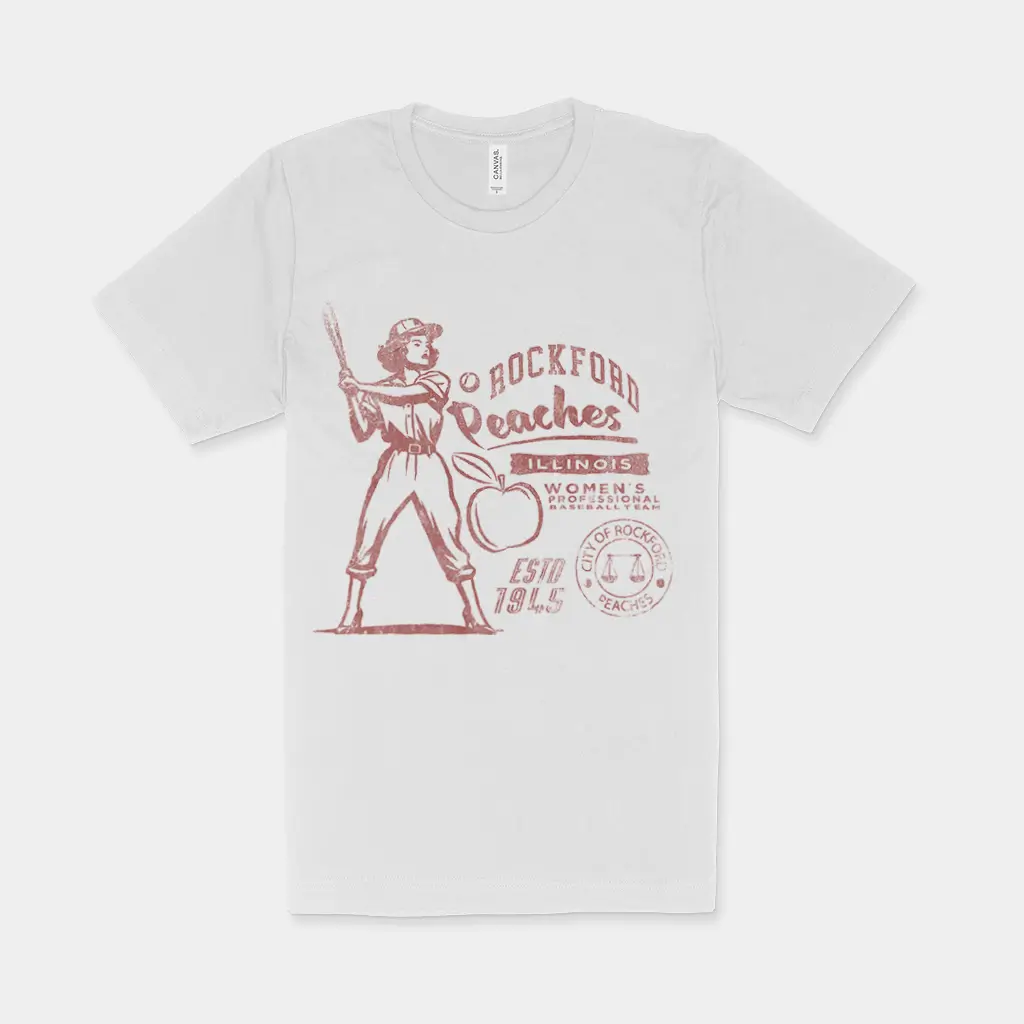
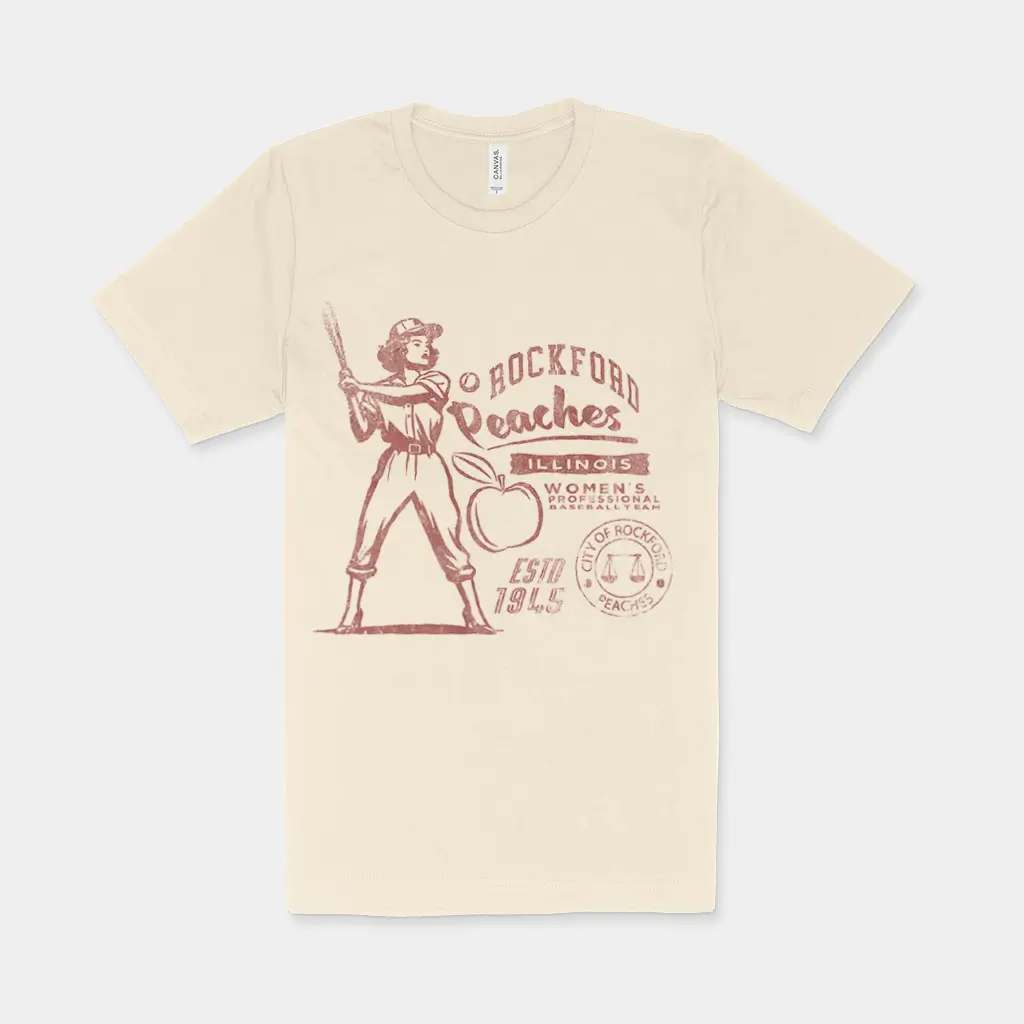
The league launched with four franchises  the Racine Belles, the Kenosha Comets, the South Bend Blue Sox, and the Rockford Peaches and scouts fanned out across the continent in search of exceptional female athletes. The talent pool they discovered was vast and largely invisible to mainstream sporting culture, women who had been honing their abilities in near-total obscurity, awaiting precisely such an opportunity.

The Impossible Bargain, Athletic Excellence Under the Veil of Femininity

Perhaps no aspect of the AAGPBL’s history better illustrates the contradictions of its era than the rigid code of conduct imposed upon its players. Wrigley, acutely aware of prevailing cultural anxieties surrounding female athleticism, was determined to preempt any suggestion that these women were insufficiently feminine. The result was a set of requirements as remarkable for their absurdity as for what they reveal about the period.

Prior to each season, players were compelled to attend a charm school overseen by cosmetics authority Helena Rubinstein, where they received instruction in deportment, grooming, and social etiquette. Lipstick was mandatory. Hair, however inconveniently, was to remain styled. Their uniforms short-skirted tunics worn over shorts, paired with high socks were designed to signal elegance rather than functionality, a decision that produced immediate and painful consequences on the field.

Sliding into base in a skirt was not merely impractical; it was genuinely injurious. Players routinely sustained deep abrasions the notorious “strawberries” on their thighs and calves, battle scars they bore without complaint. That these women absorbed such physical punishment while simultaneously maintaining the cosmetic standards demanded of them speaks to a particular form of resilience: the capacity to excel within constraints designed to diminish you.

The Athletes, A Talent That History Failed to Honor

The AAGPBL was not, by any measure, a novelty act. The caliber of play it produced was, by contemporary accounts, genuinely extraordinary. Dottie Kamenshek first baseman for the Rockford Peaches and one of the league’s most decorated players drew admiring comparisons from none other than Hank Aaron, who reportedly considered her among the finest athletes he had ever witnessed. Her combination of defensive precision and batting consistency made her a figure who, had circumstances been different, might have competed comfortably in men’s professional baseball.

Sophie Kurys, whose stolen base record endured for decades, played with an aggression and cunning on the basepaths that bordered on the poetic. Betty Foss, a two-time batting champion in 1952 and 1953, exemplified the league’s consistent elevation of its competitive standards. As the years progressed, the AAGPBL migrated incrementally from softball toward hardball, tightening pitching distances and adopting rules that brought it ever closer to the men’s game a deliberate evolution that placed increasing technical demands on its players and which they met without hesitation.

Triumph, Neglect, and the Cruelty of Forgetting

The league reached its commercial and athletic apex in 1948, when attendance surpassed one million spectators a figure that made manifest what its founders had perhaps underestimated: that women’s baseball, given the opportunity, could sustain itself as genuine entertainment and genuine sport simultaneously.

The postwar years, however, brought forces the league could not withstand. The return of male players from overseas restored Major League Baseball to its customary dominance. Television began reshaping leisure culture in ways that drew audiences away from local sporting events. The financial pressures on franchise owners mounted steadily. In 1954, after twelve seasons that had altered, however quietly, the landscape of American sport and society, the AAGPBL disbanded. Its players returned to private life, their achievements largely unacknowledged, their names absent from the canonical histories of the game they had served so brilliantly.

For nearly four decades, this silence held.

Reclamation, How Cinema Restored a Stolen Legacy

It fell to director Penny Marshall, in 1992, to restore these women to public consciousness. A League of Their Own, featuring a cast that included Tom Hanks, Geena Davis, Lori Petty, and Madonna, reached audiences with a force that no academic monograph or archival exhibition could have replicated. The film did not merely entertain; it rehabilitated. It located the surviving players, drew them back into the public eye, and offered them at last, and belatedly the recognition that history had withheld.

The film’s cultural impact extended beyond sentiment. It directly contributed to the establishment of the Women in Baseball permanent exhibit at the National Baseball Hall of Fame and Museum in Cooperstown, an institutional acknowledgment, however long overdue, that women’s contributions to the sport merited preservation and commemoration.

The legacy of the AAGPBL resists easy reduction to a single narrative. It is, simultaneously, a story of commercial opportunism that became something noble, of athletic achievement that flourished in defiance of the conditions designed to contain it, and of a historical erasure that was only partially corrected by a Hollywood production half a century later. These women did not merely fill a wartime void. They demonstrated, with considerable eloquence, that excellence on a baseball diamond is not a function of gender and that the world’s failure to recognize that truth for so long reflects not on them, but on the narrowness of the world.

what hats were popular in the 80s

what hats were popular in the 80s

The Headwear That Defined a Decade 

The 1980s was a decade of deliberate excess of shoulder pads engineered to command a room, of hair teased to improbable heights, of color palettes that refused all restraint. And crowning it all, quite literally, were the hats. In an era when personal style functioned as public declaration, headwear occupied a uniquely expressive position in the fashion lexicon. A hat in the 1980s was never merely functional; it was a signal, a tribal marker, a carefully chosen emblem of identity. Whether you were aligning yourself with the emergent hip-hop underground, the preppy establishment, or the art school avant-garde, your choice of headwear said everything that needed saying before you had uttered a single word.

The Headwear Hierarchy, The Dominant Silhouettes of the Era

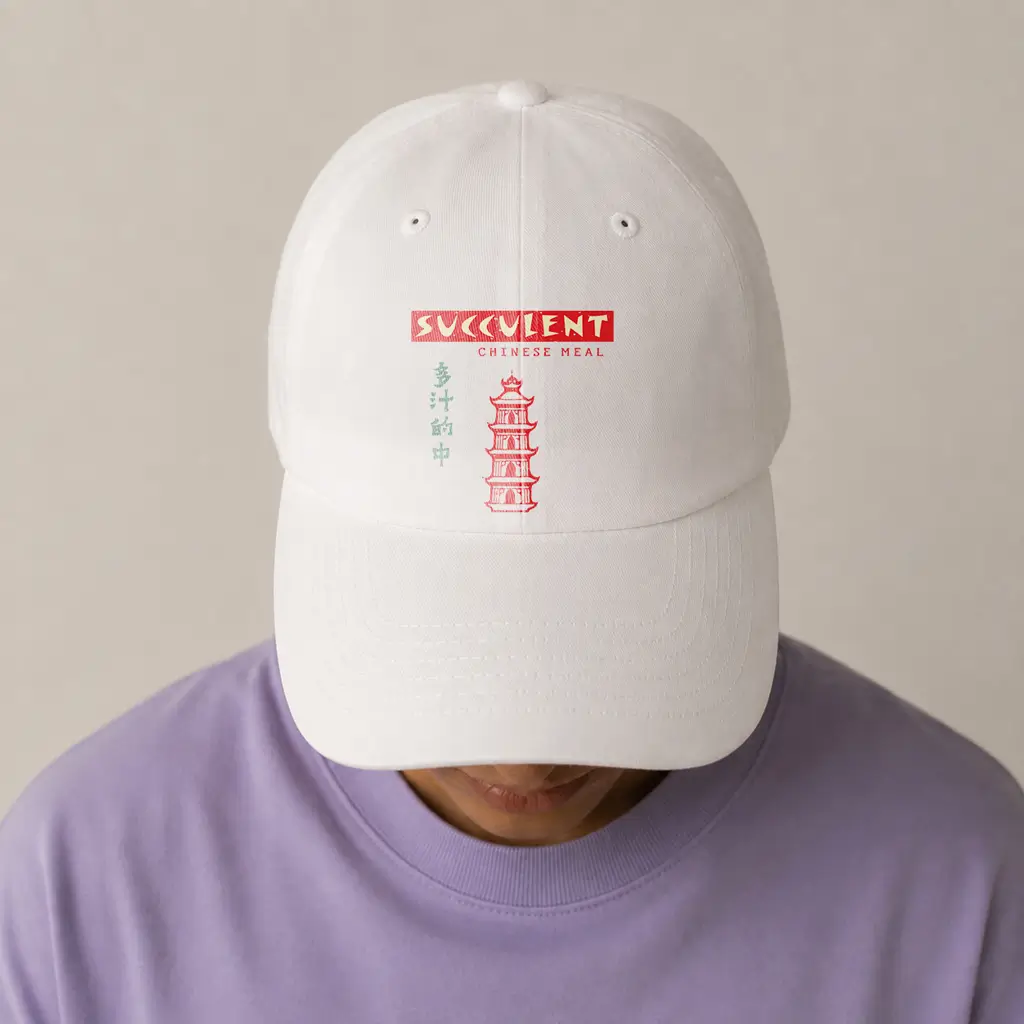
No single piece of 1980s headwear proved more versatile or more culturally pervasive than the baseball cap. Liberated entirely from its athletic origins, it became one of the decade’s most effective canvases for self-expression, worn by athletes and artists alike, emblazoned with brand logos, band insignia, and graphic designs that ranged from the subtle to the ostentatiously bold. Worn forwards, backwards, or cocked at an angle, the cap’s meaning shifted with each slight adjustment of its brim.

Running alongside it in the casual hierarchy was the trucker hat mesh-backed, foam-fronted, and carrying with it a studied indifference to fashion that was, paradoxically, deeply fashionable. To wear a trucker hat in the 1980s was to project a particular attitude: unhurried, unimpressed, entirely at ease. It was the headwear equivalent of a shrug, and the decade embraced it accordingly.

The Street Style Divide: Hip-Hop Culture Meets the Skater Aesthetic

The 1980s witnessed the crystallization of street culture into distinct and rival aesthetic traditions, and nowhere was this more visibly enacted than in the realm of headwear. Within

The 1980s witnessed the crystallization of street culture into distinct and rival aesthetic traditions, and nowhere was this more visibly enacted than in the realm of headwear. Within the rapidly ascending hip-hop scene, the Kangol became the article of faith. LL Cool J wore it low over his eyes; Run-DMC made it inseparable from their image of sharp, confident swagger. The Kangol’s clean, uncluttered silhouette projected a particular brand of urban cool composed, deliberate, entirely self-possessed. The fedora, too, found a natural home within this world, its classic lines reinterpreted through a streetwear sensibility that stripped away any vestige of stuffiness.

Across the cultural divide, the skateboarding and punk scenes reached for entirely different headwear vocabularies. The beanie  slouchy, unpretentious, pulled low communicated a rejection of mainstream aspiration that was central to both subcultures’ self-conception. The flat cap served a similar function: utilitarian in appearance, but laden with subcultural significance for those who understood the codes. These were not hats designed to impress; they were hats designed to declare allegiance.

A Touch of Elegance, Old-World Glamour Reborn

In striking counterpoint to the decade’s more anarchic tendencies, a current of genuine elegance ran through 1980s headwear, drawing on the past while inflecting it unmistakably with the present. The fedora, in this context, underwent a remarkable reinvention. Softened in its construction and worn with a new nonchalance, it became the signature accessory of Michael Jackson  an artist whose entire aesthetic rested on the productive tension between classical grace and contemporary dynamism. Through him, the fedora acquired an almost mythological status.

For women navigating the decade’s more formal or preppy registers, the pillbox hat and the wide-brimmed sun hat offered a connection to mid-century refinement. Paired with tailored blazers and cultivated accessories, these styles carried a deliberate nostalgic weight, a knowing reference to an earlier era of composed, studied femininity  filtered, inevitably, through the decade’s own irrepressible energy.

The Unexpected Icons: Visors, Berets, and the Art of the Surprise

The 1980s reserved a particular affection for the fashion statement that arrived from an unexpected angle, and the era’s more eccentric headwear choices exemplified this tendency perfectly. The plastic visor  previously confined to the genteel world of tennis and golf  erupted into mainstream fashion in shades of neon that bore no relationship whatsoever to its sporting origins. Worn as much for visual impact as for any practical purpose, it became one of the decade’s most cheerfully absurd accessories.

The beret, meanwhile, underwent a more intellectually charged rehabilitation. Adopted by new wave artists and musicians  Annie Lennox among the most prominent it came to represent a creative and philosophical disposition, a quiet allegiance to ideas over image. Worn tilted, worn without apology, it communicated a cool that was altogether different in character from the extroversion that defined much of the decade: inward rather than outward, contemplative rather than declarative.

Together, these hats compose something more than a catalogue of accessories. They map the 1980s as a cultural landscape of competing identities, rival aesthetics, and urgent questions about who one was and who one wished to be seen as. In a decade defined by its appetite for self-invention, the hat modest in scale, enormous in implication proved to be one of the most eloquent instruments of all.

 Rosewood Stars The Vanished Team Lost to Racial Violence

 Rosewood Stars The Vanished Team Lost to Racial Violence

Rosewood Stars

A Team Erased by Racial Violence 

 Rosewood Stars The Vanished Team Lost to Racial Violence

A Community That Built Something

In the early 1920s, Rosewood, Florida was not simply a small town it was a functioning world. A majority-Black railroad settlement of roughly 638 people in Levy County, it had churches, schools, two general stores, a Masonic lodge, and, perhaps most tellingly, a baseball team: the Rosewood Stars. The Goins and Carrier families ran the local turpentine mills and businesses with a degree of economic autonomy that was genuinely rare for Black communities in the segregated South. Survivors would spend the rest of their lives remembering Rosewood as “a happy place” where “every house was painted” and “roses grew everywhere.”

The Stars were not incidental to that life. Under Jim Crow, Black community sports teams served a function that went well beyond recreation. They organized collective pride, they drew families together on weekends, and they asserted quietly but unmistakably that this community had a life worth celebrating.

Florida Under Jim Crow

It would be a mistake to frame Rosewood as a sheltered island unaware of the dangers surrounding it. Florida in the 1920s was among the most lethal states in America for Black citizens: between 1880 and 1930, it recorded the highest number of lynchings per capita in the country. Just a few years before Rosewood, the Ocoee riots of 1920 had left dozens of Black residents dead for attempting to vote.

In that environment, Rosewood’s very prosperity made it a target. A survivor would put it plainly decades later: the rioters “didn’t find the man they were looking for, but they noticed that here’s a bunch of Black people living better than us white folks. That disturbed these people.”

The Massacre of January 1923

On New Year’s Day 1923, a young white woman in the neighboring town of Sumner accused a Black man of assaulting her. The accusation was false. It was enough.

Within hours, a crowd of white men drawn from across the region, as far away as Georgia  descended on Rosewood. The blacksmith John Turner was lynched. The Carrier family home became the site of a siege. Over the following week, a mob of two to three hundred men and boys methodically looted and burned the town: houses, the church, the school. Black residents fled into the surrounding swamps to survive. At least eight deaths were officially recorded six Black, two white though contemporary historians believe the real toll may have exceeded two dozen, with victims buried in unmarked graves. Not a single white rioter was ever prosecuted.

Rosewood was, in the most literal sense, removed from the map.

Decades of Enforced Silence

Survivors scattered. Some found shelter in neighboring counties; others fled north. Everywhere, silence became a condition of survival. Under Jim Crow, to speak openly about what had happened in Rosewood was to invite further violence. Children grew up under explicit or implicit instructions never to mention the town’s name. The oral history of Rosewood passed between families under a sworn secrecy, transmitted in whispers across generations.

The state did nothing to fill the void. For decades, Rosewood remained at best a footnote  more accurately, an absence. Its site lay abandoned, its memory buried.

Rediscovery, From Journalism to Legislation

It was journalist Gary Moore who, in 1982, published the first documented reconstruction of the events in the St. Petersburg Times, drawing on the testimonies of survivors still living. His investigation set in motion a process that would culminate, eleven years later, in an official state inquiry.

In 1994, Florida passed the Rosewood Act: legislation granting $150,000 to each living survivor approximately $2.1 million in total along with a scholarship fund for their descendants. It was among the first reparations laws for racial violence in American history. The legislation explicitly named the Rosewood Stars that vanished baseball team as evidence of what the community had been before its destruction. The team’s name in a state reparations bill was not decorative; it was an acknowledgment that what had been destroyed was not abstract, but a specific, ordinary life, with its institutions, its rituals, and its pleasures.

Rosewood in Public Memory

In 1997, director John Singleton brought the story to the screen with Rosewood, starring Ving Rhames and Don Cheadle. The film, though partly fictionalized, helped establish the massacre in the national consciousness. Historical markers now stand on Highway 24, a memorial and cemetery honor the victims, and Bethune-Cookman University hosts a permanent exhibition dedicated to the lost community.

On the ground, historian Marvin Dunn  a retired Florida International University professor and descendant of survivors purchased five acres of the former townsite and has been conducting archaeological digs in search of foundations, artifacts, and the physical traces of interrupted everyday life. His goal is a museum built from recovered objects, so that Rosewood’s descendants can tell their own history rather than leave it buried in a swamp.

The Stars as Symbol

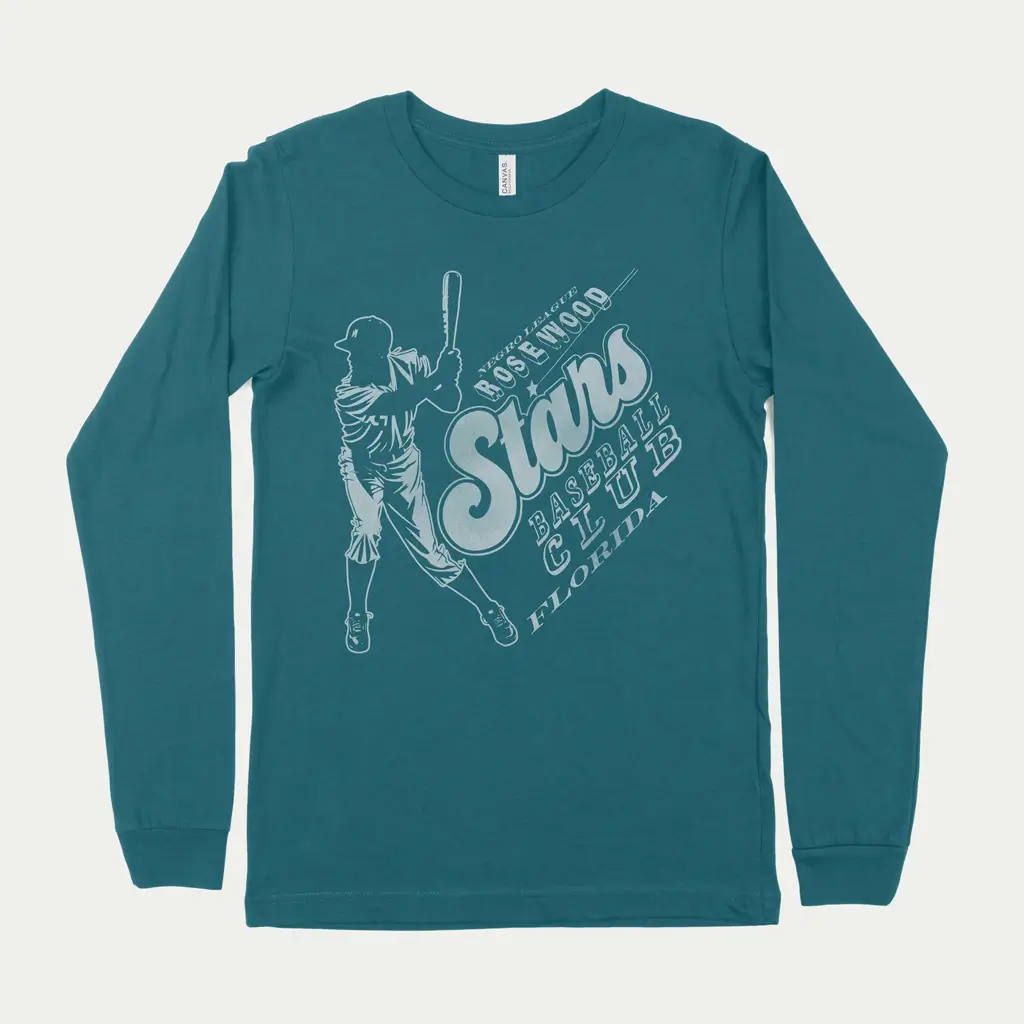
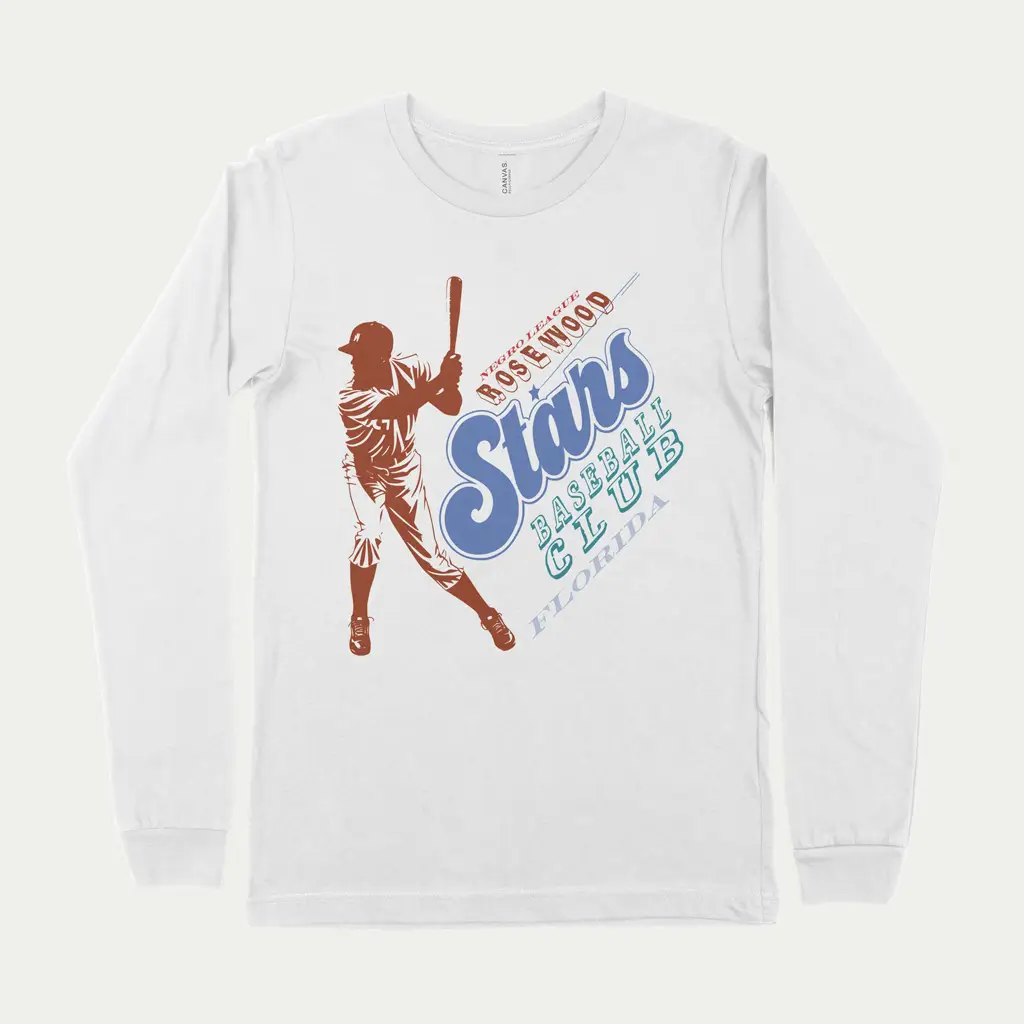
The Rosewood Stars left almost no written record. No statistics survive, no rosters, no game accounts. What remains is their name on commemorative T-shirts, in brochures, in family memory. Their legacy is partly a reconstruction: a way for descendants to inhabit the history of a community whose material reality was burned to the ground.

That is precisely where their symbolic force lies. The Stars represent what Rosewood was before: a community capable of organizing itself, of celebrating, of playing. And what racial violence set out to erase. Today, as debates over the teaching of racial history grow sharper across the United States, Rosewood remains a case study in the fullest sense. Its history is embedded in Florida’s school curricula, and its reparations model inspired the 2021 legislation for descendants of the Ocoee massacre.

Rosewood’s memory did not reconstitute itself. It was pulled from silence by journalists, historians, and survivors who eventually found the courage to speak, and by legislators willing to listen. The Rosewood Stars disappeared on a January day in 1923. Their memory is still in play.


Return and Refund Policies

Return and Refund

Return Eligibility and Process 

All items are custom-produced specifically for you after you place your order. This made-to-order approach reduces waste and ensures fresh production quality. Because each item is manufactured individually based on your specifications, our return policy reflects the custom nature of our products.

What We Accept for Returns

We accept returns for items with manufacturing defects, print quality issues that don’t meet our standards, products damaged during shipping, or wrong items sent due to our error. If you receive a product with any of these issues, we will provide a free replacement or full refund at your choice.

Return Window

You have thirty days from the date of delivery to report any quality issues or defects. Please contact us within this timeframe with photos of the defect or damage so we can assess the situation and provide a solution quickly.

Important Limitations

Because items are custom-printed to order specifically for you, we cannot accept returns for change of mind, incorrect size selection, or color preferences. This custom production model is essential to our sustainability approach and helps us maintain fair pricing. We strongly encourage reviewing our detailed size charts and product descriptions carefully before placing your order.

Return Process for Defective Items

If you receive a defective or damaged item, contact our customer service team at [email protected] within thirty days of delivery. Include your order number and clear photos showing the defect or damage. Our team will review your request, typically within twenty-four hours. Once approved, we will send a replacement item immediately or process a full refund to your original payment method. In most cases, you will not need to return the defective item to us.

Refund Timeline

Approved refunds are processed within three to five business days of approval. The refund will be issued to your original payment method. Please note that depending on your bank or payment provider, it may take additional time for the refund to appear in your account.

Wrong Item Shipped

If we shipped the wrong item due to our error, contact us immediately. We will send the correct item at no additional cost and provide a prepaid return label for the incorrect item if return is necessary.

Damaged During Shipping

Items damaged in transit qualify for free replacement or full refund. Contact us with photos of the damaged item and packaging. We will work with you and the shipping carrier to resolve the issue promptly.

Quality Guarantee

Every order undergoes quality inspection before shipping. We stand behind the quality of our products. If something doesn’t meet our standards, we will make it right through replacement or refund.

Contact Us

For return requests or questions about our return policy, contact our customer service team at return refund request We’re available seven days a week to assist you and ensure your satisfaction with every purchase.

Shipping & Fulfillment

Shipping & Fulfillment

 you order, we print. 

80sTeenation operates on a made-to-order basis. Products are manufactured after purchase, ensuring fresh quality while eliminating inventory waste. This on-demand approach reduces environmental impact and allows comprehensive design catalog without storage limitations.

Production Timeline

Orders enter production within 24-48 hours of purchase. Manufacturing time varies by product type:

Standard apparel: 2-5 business days
Premium items: 3-7 business days
Seasonal high-volume periods may extend timelines

International Shipping

Canada: 7-14 business days after production
Europe: 10-20 business days after production
Other regions: 15-30 business days after production

Fulfillment Centers

Multiple production facilities strategically located across North America and Europe. Orders automatically route to nearest facility based on delivery address, optimizing shipping time and reducing carbon footprint.

Order Tracking

Monitor your order status from production through delivery. Once your order ships, you’ll receive tracking information via email with direct link to our tracking page.

Track Your Order: Visit our Order Tracking Page and enter your order number and email address. View real-time updates on.

Check tracking anytime, 24/7. Questions about your shipment? Contact customer service for assistance.

Address Accuracy

Verify shipping information before completing purchase. Address corrections after production begins may not be possible. Undeliverable packages due to incorrect addresses may require reshipment fees.

Delivery Issues

Contact customer service immediately for lost, damaged, or delayed packages. We work with carriers resolving delivery problems promptly.

Quality Assurance

Every order inspected before shipping. Print quality verified. Materials checked. Proper packaging ensured. Items arriving damaged or defective qualify for free replacement or full refund.

About us

Who We Are ?

the story behind the nation 

80sTeenation operates as a print-on-demand apparel company specializing in 80s cultural preservation through graphic design. with focused differentiation through period-authentic design and niche cultural targeting.

Business Structure

Print-on-demand fulfillment eliminates inventory risk while maintaining quality standards. Products manufactured after order placement through vetted production partners. Designs created in-house, applied to premium blank apparel meeting specific quality benchmarks.

Production Ethics

Transparent sourcing. Fair labor practices through certified manufacturing partners. Environmental consideration in material selection and shipping optimization.

Customer Commitment

30-day quality guarantee on print defects. Free returns on manufacturing errors. Responsive support from people who understand the cultural references.

Community Engagement

Member input drives design direction. Customer knowledge contributions acknowledged. Platform serves as cultural preservation tool, not just commerce.

Revenue Model

Print-on-demand margins fund continued research, design development, platform maintenance. Growth reinvested into expanded catalog, improved quality standards, enhanced community features.

We use cookies to enhance your browsing experience, serve personalized content, and analyze our traffic. By clicking "Accept All", you consent to our use of cookies. You can manage your preferences or learn more in our