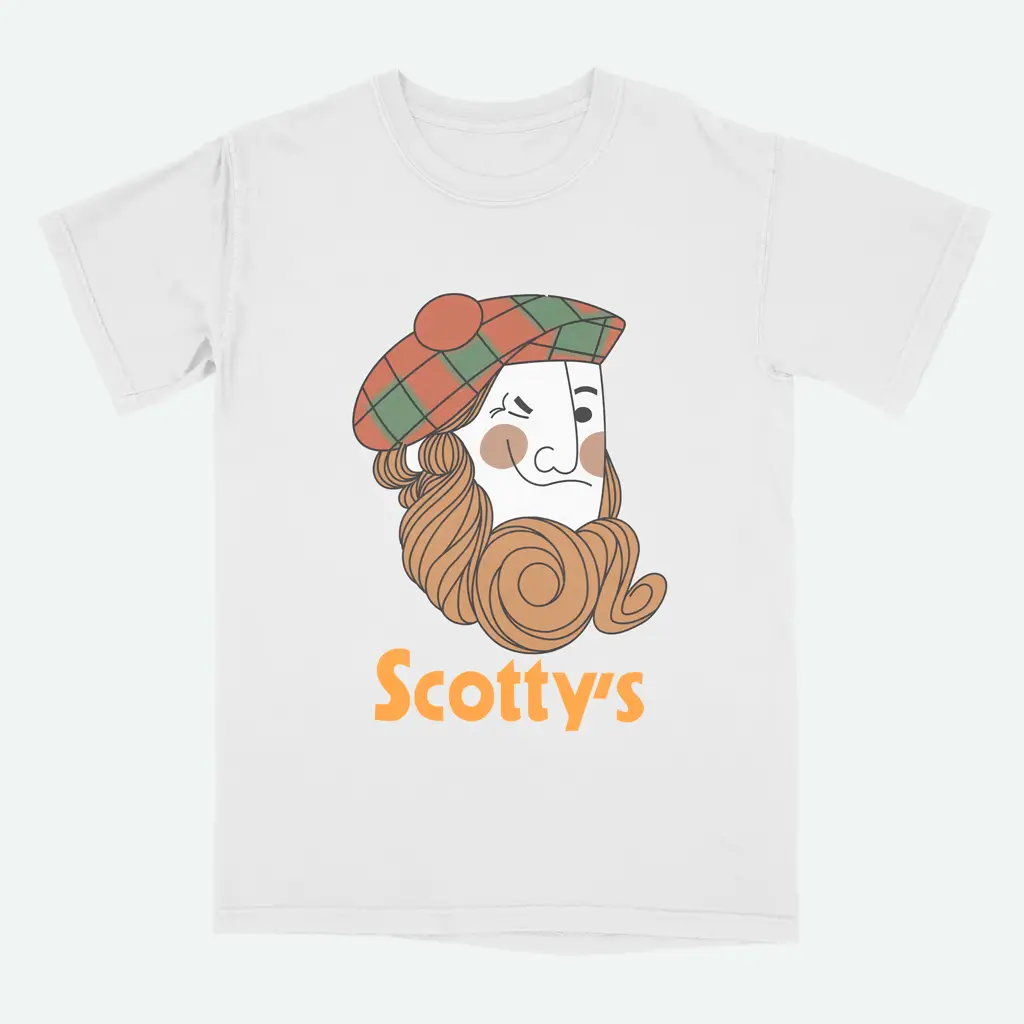
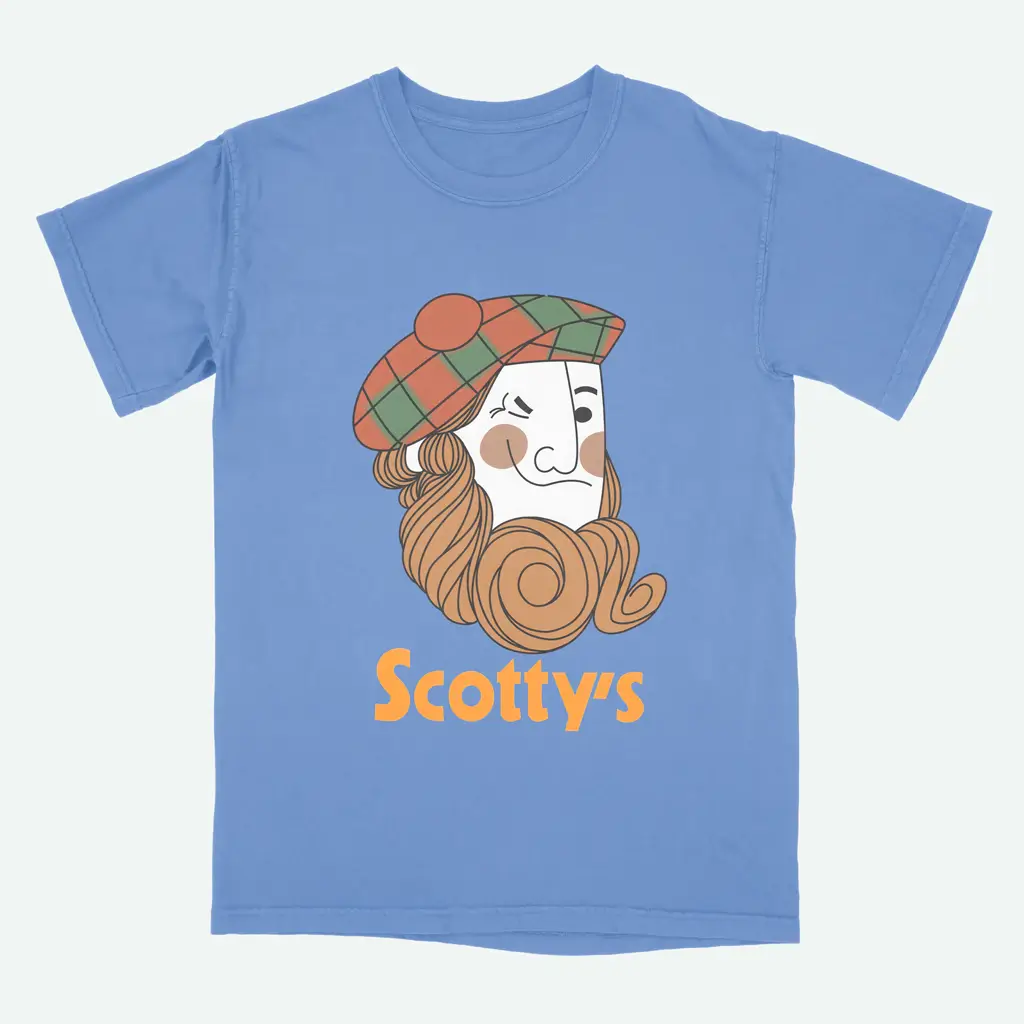













The Definitive Guide to 80s Tees
The T-shirt didn’t just survive the 1980s. It got promoted.
Before the eighties, the T-shirt was an undergarment, a blank canvas, a utilitarian afterthought tucked beneath flannels and denim jackets. Then something shifted. Concert halls, movie sets, skate parks, and college campuses turned the humble cotton tee into the decade’s loudest editorial statement. By 1985, what you wore on your chest told people more about you than your job title ever could.
That cultural transmission didn’t fade when the decade ended. It calcified into something rarer: authenticity. Today, a genuine 80s tee, or a well-made reproduction that honors the era’s design logic, carries a weight that no algorithm-generated graphic can replicate. Here’s what you need to know before you buy one.
What Actually Made 80s Tees Different
The visual grammar of the 1980s T-shirt was built on excess by design. Screen printing technology had matured just enough to handle multi-color, large-format graphics, and everyone wanted to prove it. Brands, bands, and movie studios all went bigger, louder, and more saturated than the decade before.
A few defining characteristics set the era apart.
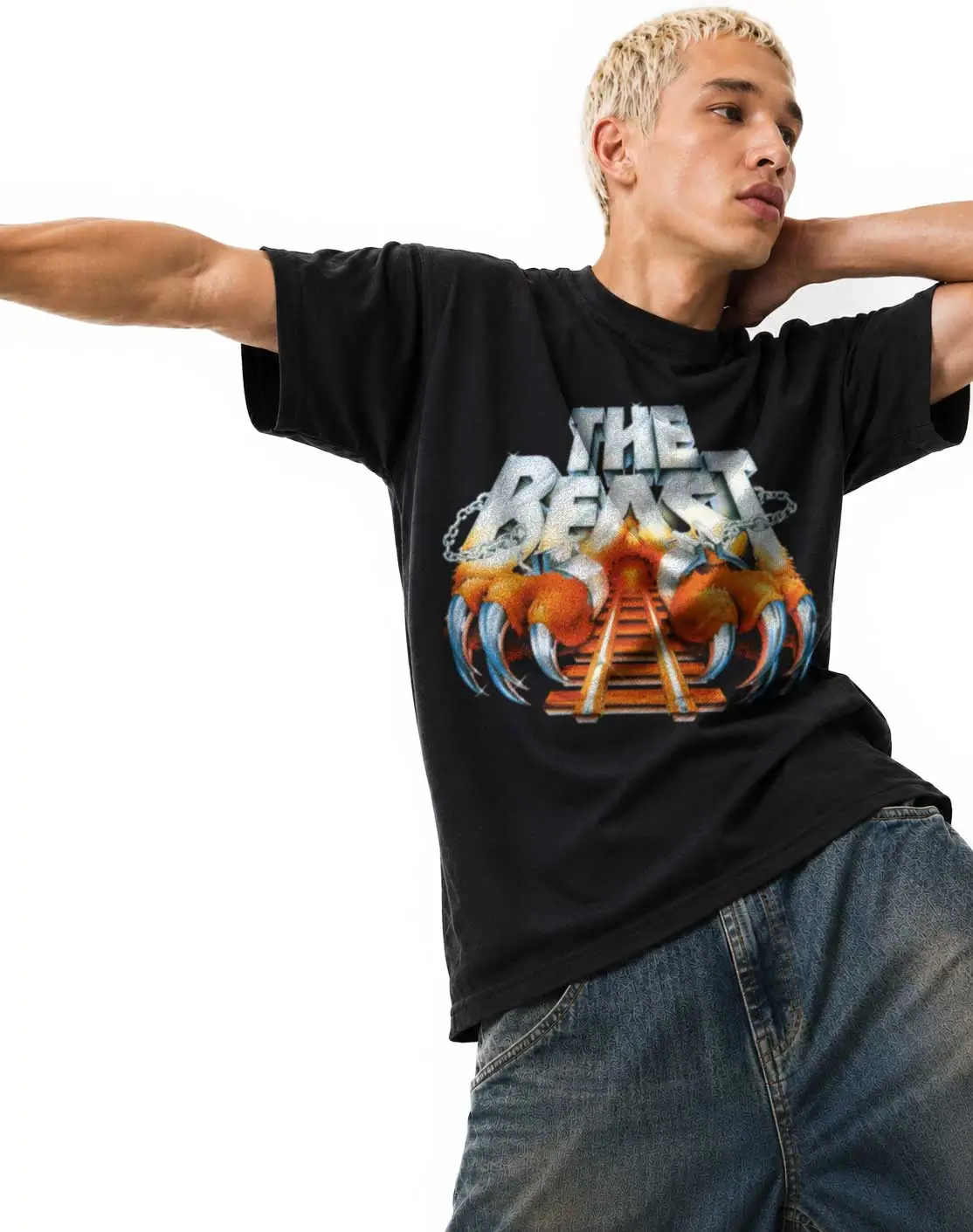
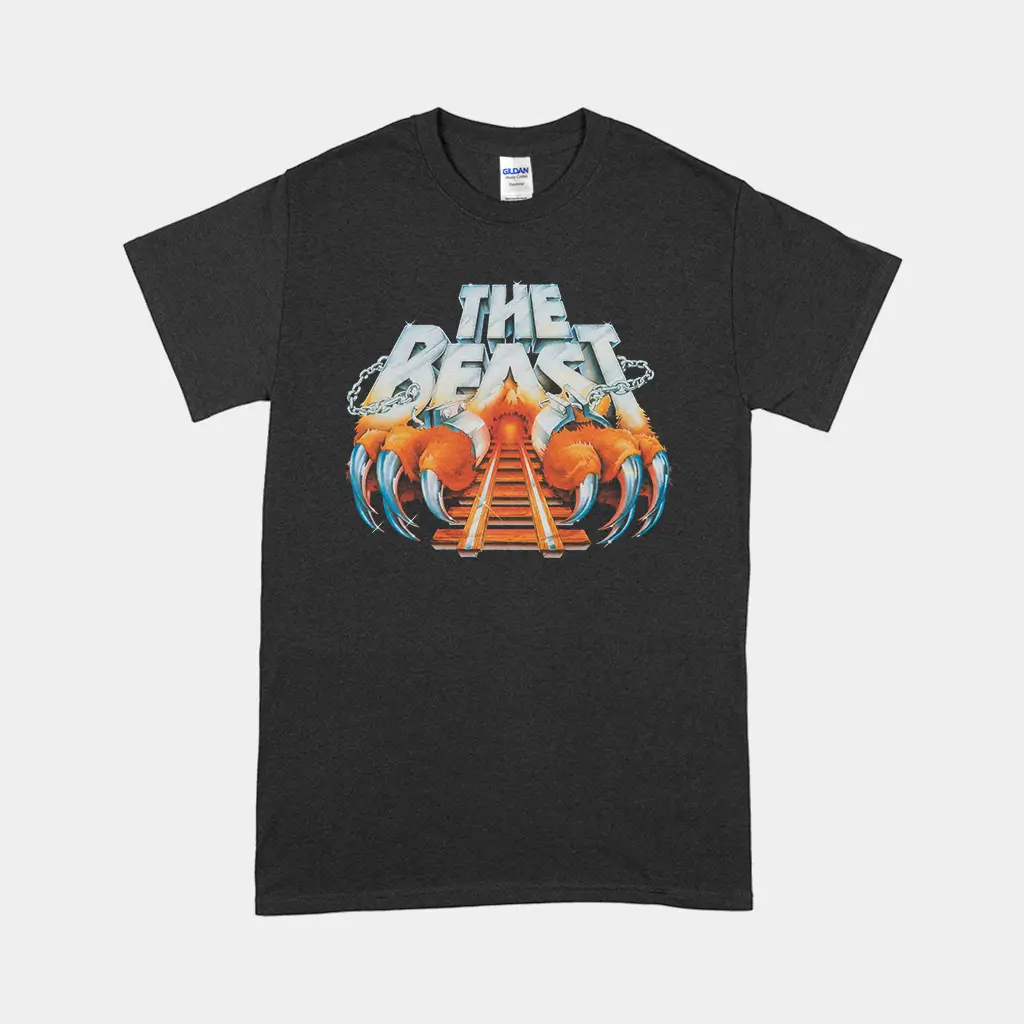
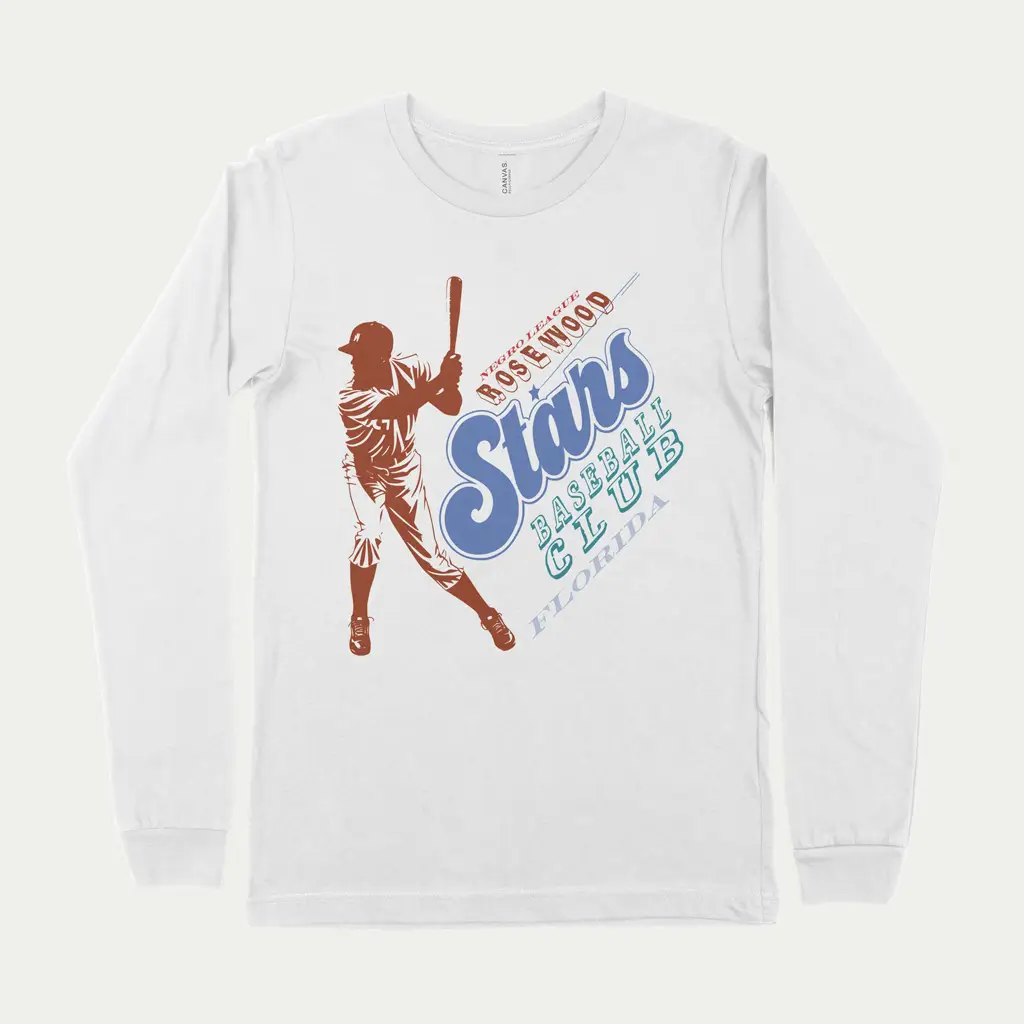
The oversized chest graphic. Not a discreet left-chest logo. Not a minimalist wordmark. A front-and-center illustration, often spanning shoulder to shoulder, that demanded you look at it. Iron Maiden’s Eddie, the skull from The Punisher, a neon palm tree above a Miami skyline: these were canvases, not clothes.
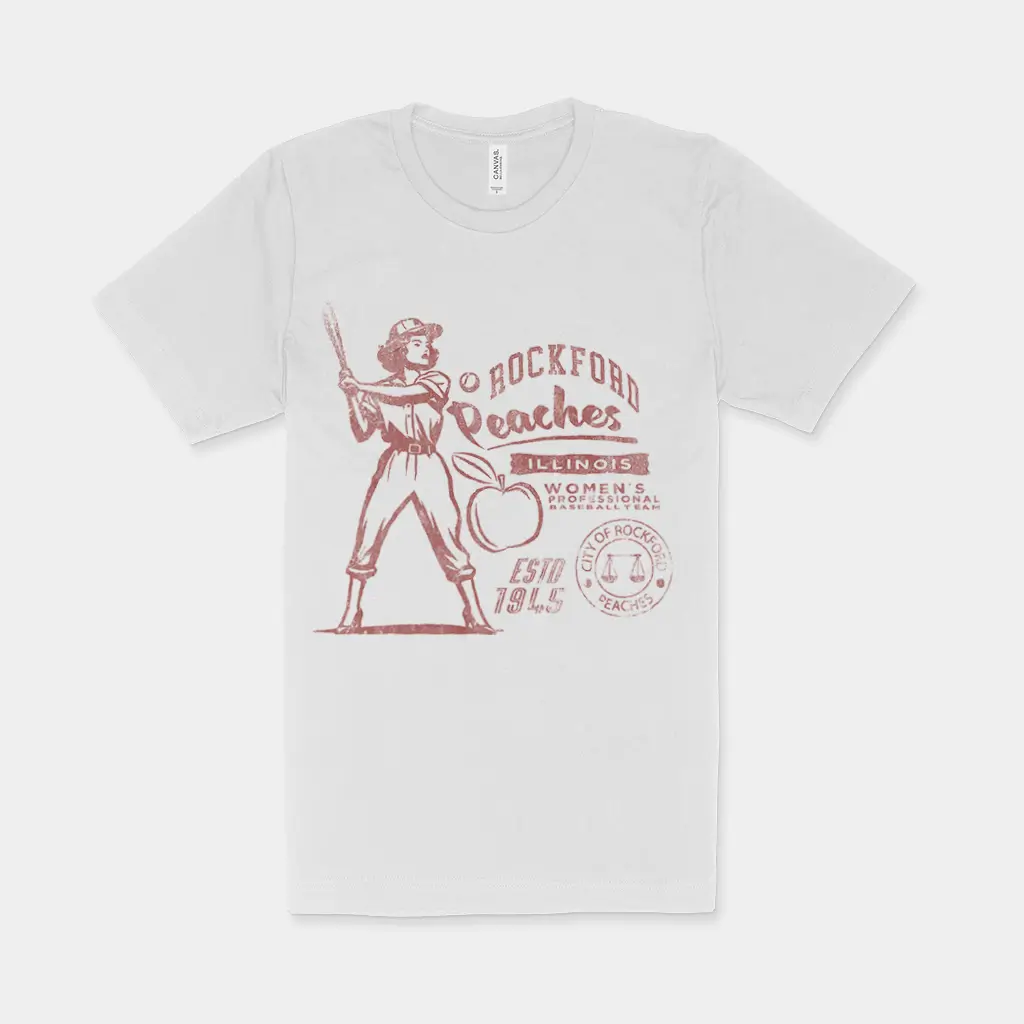
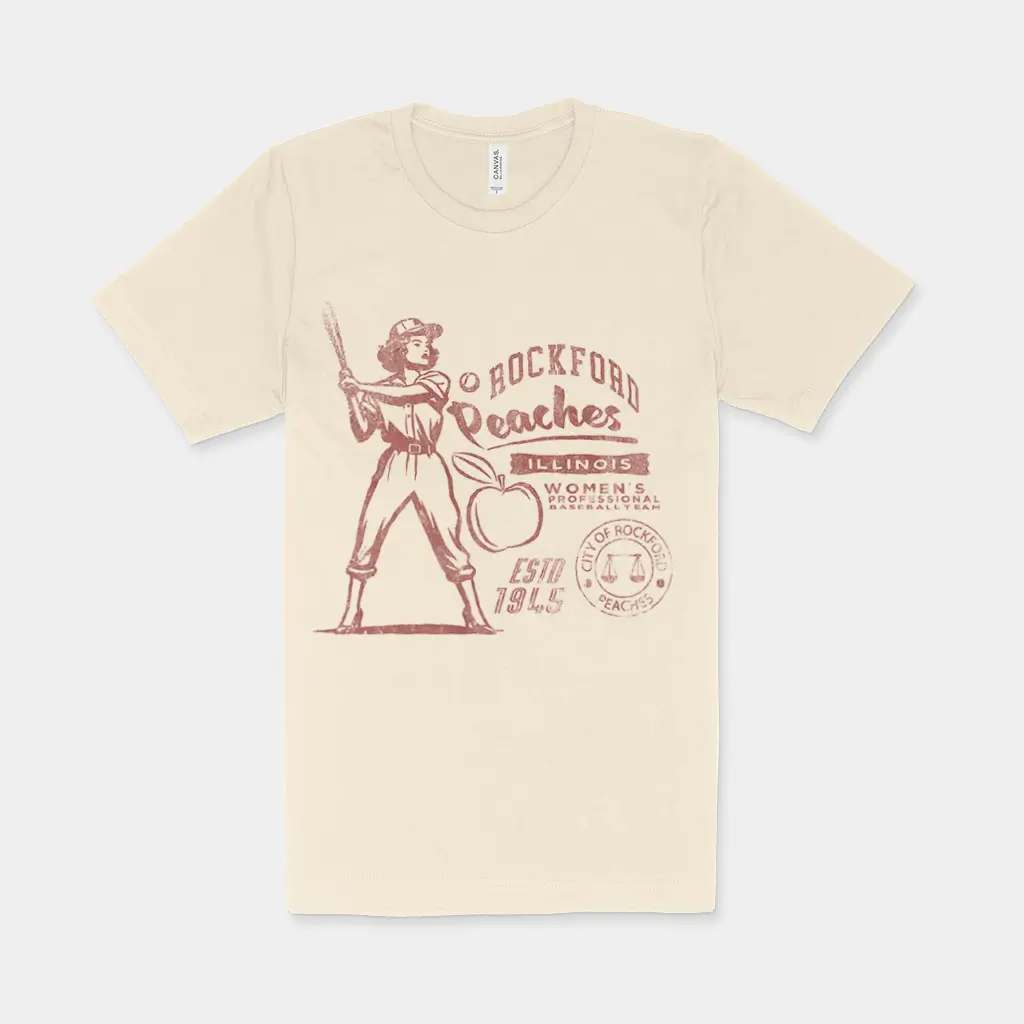
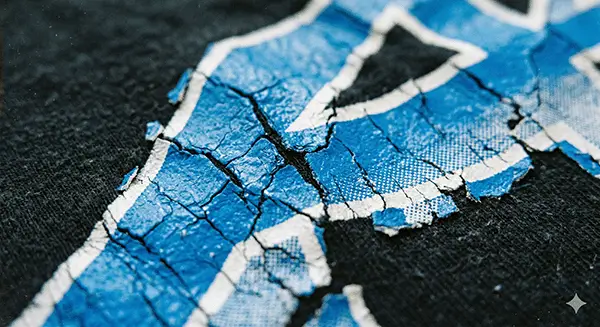
The fade. Vintage 80s tees develop a specific kind of color degradation: cracked ink, washed-out pigment, a softness in the cotton that no factory process has fully replicated. The best reproduction pieces deliberately build that worn-in quality into the fabric and print from the first wash.
The cut. American-made tees of the era ran boxy and generous. Shoulders sat wider, hems dropped lower, the chest had room to breathe. That silhouette reads as vintage even on a rack of modern pieces, and it’s one of the first things serious collectors check.
The cultural specificity. An 80s tee wasn’t generic retro. It was a tour date in Cincinnati on November 14th, 1983. It was the regional promo shirt for a film that never made it to wide release. It was the softball league shirt from a bar in Tucson that closed in 1991. Specificity was the point. That’s what made wearing one a statement.
The Categories That Matter
Not all 80s tees are equal. If you’re building a collection, or just trying to buy one piece that actually holds its value, understanding the categories is essential.
Band and Concert Tees
The most sought-after category, full stop. Shirts from major 1980s tours, The Clash’s Combat Rock tour, Bruce Springsteen’s Born in the USA run, Metallica before the Black Album changed everything, now command serious money at auction. Originals in good condition from a headlining 1984 act can fetch anywhere from $300 to well over $1,000 depending on the band, the tour leg, and the condition of the print.
For buyers who want the look without the collector’s premium, the key is finding reproduction pieces that didn’t cut corners on the graphic. Washed-out ink on a 100% cotton blank, a slightly off-register print, a chest hit that sits a touch lower than modern tees: these are the signals of a reproduction made by people who actually understand what they’re reproducing.
Movie and TV Promotional Tees
The 1980s were the golden age of the promotional T-shirt. Studios handed them out to theater chains, video rental stores, and press junkets with the enthusiasm of brands discovering influencer marketing. E.T., Top Gun, The Breakfast Club, Back to the Future each left behind a trail of cotton merchandise that has aged into genuine cultural artifact.
These tees are distinct from band shirts because they weren’t sold; they were circulated. Finding one in the wild still feels like a score. Reproductions in this category work best when they lean into the era’s specific color choices: turquoise, coral, yellow-orange, and that particular shade of burgundy that appeared on approximately forty percent of all 80s clothing.
Surf, Skate, and Sportswear
Brands like Vision Skateboards, Santa Cruz, Stüssy, and Ocean Pacific weren’t just clothing companies in the 1980s. They were cultural identifiers. Wearing an OP tee in 1986 said something specific about where you spent your summers and who you listened to on the way there. The graphics from this category, bold geometric patterns, jagged typography, sun-bleached palettes, have aged particularly well because they were never trying to be timeless. They were trying to be right now. Which, paradoxically, is what makes them last.
College and Athletics
The Velva Sheen era. The Russell Athletic era. Thick 50/50 blends, tackle twill letters, screen-printed mascots with more personality than anything a modern design team would approve. The aesthetics here are quieter than concert tees, but the quality of construction from American mills during this period is genuinely superior to most of what’s being made today. A heavyweight 50/50 from an 80s university athletics program is a different object than a modern soft-blend tee. It has structure, a stiffness in the collar, a body that holds its shape.
What to Look For When You Buy
Whether you’re sourcing vintage or buying a reproduction, a few rules separate quality from costume.
Cotton weight is everything. The lightest tees from the era ran around 5.5 oz. The heaviest, primarily sportswear and workwear-adjacent blanks, pushed past 7 oz. Modern vintage-inspired tees often land around 4.3 to 4.8 oz to hit a comfortable price point. That’s not wrong, but it’s not what the era actually felt like on your back. If a piece claims to be a serious 80s reproduction, the fabric weight should be part of the conversation.
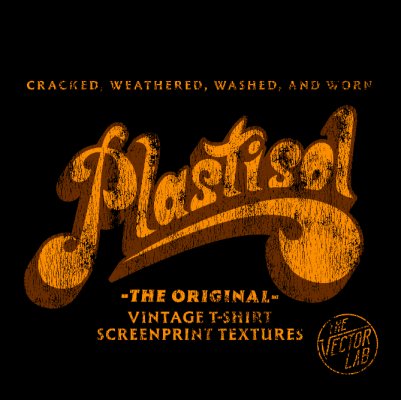
Check the print process. Vintage 80s graphics were almost universally produced via plastisol screen printing, a process that sits on top of the fabric rather than bonding into it. The result is a slightly raised, slightly reflective print that cracks with wear in a characteristic way. Water-based inks and direct-to-garment printing can look similar initially, but they age differently and they feel different under your fingers. For serious reproductions, plastisol or discharge printing is the honest choice.
Understand the colorways. The 1980s had a specific relationship with color that’s harder to replicate than it looks. The decade didn’t just use bright colors; it used specific combinations: black with neon green, white with electric blue, heather gray with burgundy and gold. Getting the hue right matters. A reproduction that shifts the coral to salmon, or softens the cobalt to a dusty blue, loses the visual punch that made the originals work.
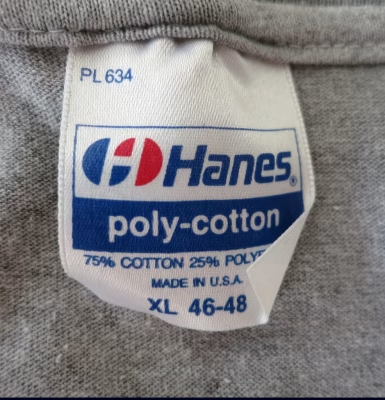
The label tells a story. On genuine vintage pieces, the brand label, Fruit of the Loom, Hanes, Screen Stars, is a timestamp as reliable as the print itself. The fonts, the country of origin, the fiber content labeling conventions all changed at specific points in the decade. Serious collectors use label databases to date pieces. For buyers who just want authenticity, the presence of a period-correct label signals that somebody cared about getting the whole thing right.
The Resale Market in 2026
The market for 80s tees has never been more liquid, or more complicated. Platforms like Grailed, Depop, and eBay have created a global market for vintage, but they’ve also created a global market for misrepresented vintage. Band tees from the 1980s are among the most commonly counterfeited items in streetwear resale, and the counterfeits have gotten considerably better.
The honest answer is that provenance matters more than aesthetics when you’re buying at the higher end of the market. A tee that came from an original owner, with photographs of it being worn at the event it commemorates, is worth more than an identical-looking piece with no paper trail. Not because the cotton is better, but because the story is verifiable.
For buyers in the mid-range market, under $200, not collecting for investment, the distinction matters less. Here, the question is simpler: does this piece look and feel like the real thing, and was it made by people who actually knew what they were reproducing? That question is answerable if you know what to look for.
Why They Still Matter
There’s a reason 80s tees have refused to become nostalgia objects. Nostalgia is passive; it asks you to remember something fondly. These shirts are doing something more active. They’re making an argument about what visual culture can accomplish when it’s allowed to be excessive, specific, and unafraid of color.
The decade produced a lot that aged badly. The fashion industry, in particular, has spent forty years selectively mining the 1980s for its best ideas while quietly burying its worst ones. What survived that editing process, the tees, primarily the tees, survived because they were never pretending to be anything other than exactly what they were. A concert you attended. A film you loved. A brand you rode for. A place you called home.
That’s what you’re wearing. Not vintage. Not retro. Not throwback. A record.
Looking for the right piece? Browse our full selection of 80s tees →, sourced and reproduced with the kind of attention the era deserves.