






















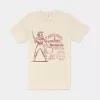
Rosewood Stars
A Team Erased by Racial Violence

A Community That Built Something
In the early 1920s, Rosewood, Florida was not simply a small town it was a functioning world. A majority-Black railroad settlement of roughly 638 people in Levy County, it had churches, schools, two general stores, a Masonic lodge, and, perhaps most tellingly, a baseball team: the Rosewood Stars. The Goins and Carrier families ran the local turpentine mills and businesses with a degree of economic autonomy that was genuinely rare for Black communities in the segregated South. Survivors would spend the rest of their lives remembering Rosewood as “a happy place” where “every house was painted” and “roses grew everywhere.”
The Stars were not incidental to that life. Under Jim Crow, Black community sports teams served a function that went well beyond recreation. They organized collective pride, they drew families together on weekends, and they asserted quietly but unmistakably that this community had a life worth celebrating.
Florida Under Jim Crow
It would be a mistake to frame Rosewood as a sheltered island unaware of the dangers surrounding it. Florida in the 1920s was among the most lethal states in America for Black citizens: between 1880 and 1930, it recorded the highest number of lynchings per capita in the country. Just a few years before Rosewood, the Ocoee riots of 1920 had left dozens of Black residents dead for attempting to vote.
In that environment, Rosewood’s very prosperity made it a target. A survivor would put it plainly decades later: the rioters “didn’t find the man they were looking for, but they noticed that here’s a bunch of Black people living better than us white folks. That disturbed these people.”
The Massacre of January 1923
On New Year’s Day 1923, a young white woman in the neighboring town of Sumner accused a Black man of assaulting her. The accusation was false. It was enough.
Within hours, a crowd of white men drawn from across the region, as far away as Georgia descended on Rosewood. The blacksmith John Turner was lynched. The Carrier family home became the site of a siege. Over the following week, a mob of two to three hundred men and boys methodically looted and burned the town: houses, the church, the school. Black residents fled into the surrounding swamps to survive. At least eight deaths were officially recorded six Black, two white though contemporary historians believe the real toll may have exceeded two dozen, with victims buried in unmarked graves. Not a single white rioter was ever prosecuted.
Rosewood was, in the most literal sense, removed from the map.
Decades of Enforced Silence
Survivors scattered. Some found shelter in neighboring counties; others fled north. Everywhere, silence became a condition of survival. Under Jim Crow, to speak openly about what had happened in Rosewood was to invite further violence. Children grew up under explicit or implicit instructions never to mention the town’s name. The oral history of Rosewood passed between families under a sworn secrecy, transmitted in whispers across generations.
The state did nothing to fill the void. For decades, Rosewood remained at best a footnote more accurately, an absence. Its site lay abandoned, its memory buried.
Rediscovery, From Journalism to Legislation
It was journalist Gary Moore who, in 1982, published the first documented reconstruction of the events in the St. Petersburg Times, drawing on the testimonies of survivors still living. His investigation set in motion a process that would culminate, eleven years later, in an official state inquiry.
In 1994, Florida passed the Rosewood Act: legislation granting $150,000 to each living survivor approximately $2.1 million in total along with a scholarship fund for their descendants. It was among the first reparations laws for racial violence in American history. The legislation explicitly named the Rosewood Stars that vanished baseball team as evidence of what the community had been before its destruction. The team’s name in a state reparations bill was not decorative; it was an acknowledgment that what had been destroyed was not abstract, but a specific, ordinary life, with its institutions, its rituals, and its pleasures.
Rosewood in Public Memory
In 1997, director John Singleton brought the story to the screen with Rosewood, starring Ving Rhames and Don Cheadle. The film, though partly fictionalized, helped establish the massacre in the national consciousness. Historical markers now stand on Highway 24, a memorial and cemetery honor the victims, and Bethune-Cookman University hosts a permanent exhibition dedicated to the lost community.
On the ground, historian Marvin Dunn a retired Florida International University professor and descendant of survivors purchased five acres of the former townsite and has been conducting archaeological digs in search of foundations, artifacts, and the physical traces of interrupted everyday life. His goal is a museum built from recovered objects, so that Rosewood’s descendants can tell their own history rather than leave it buried in a swamp.
The Stars as Symbol
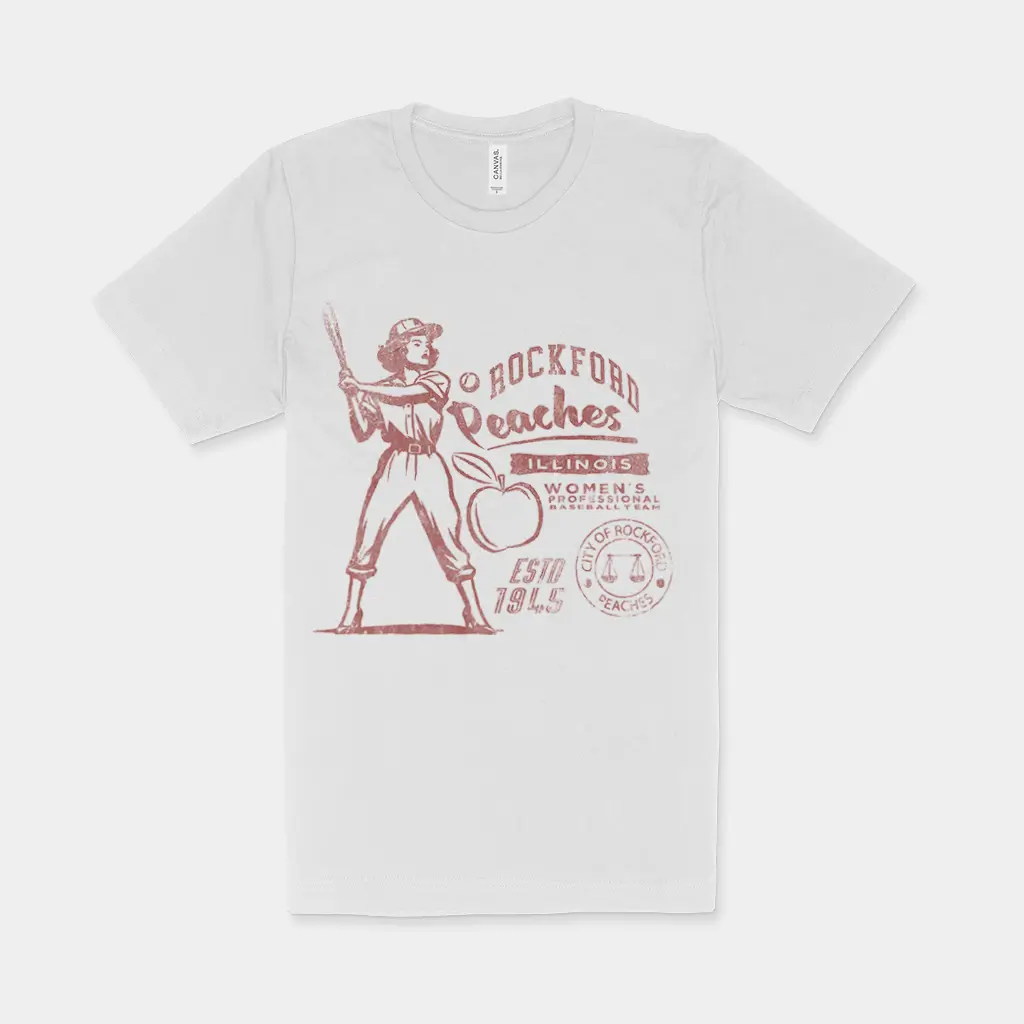
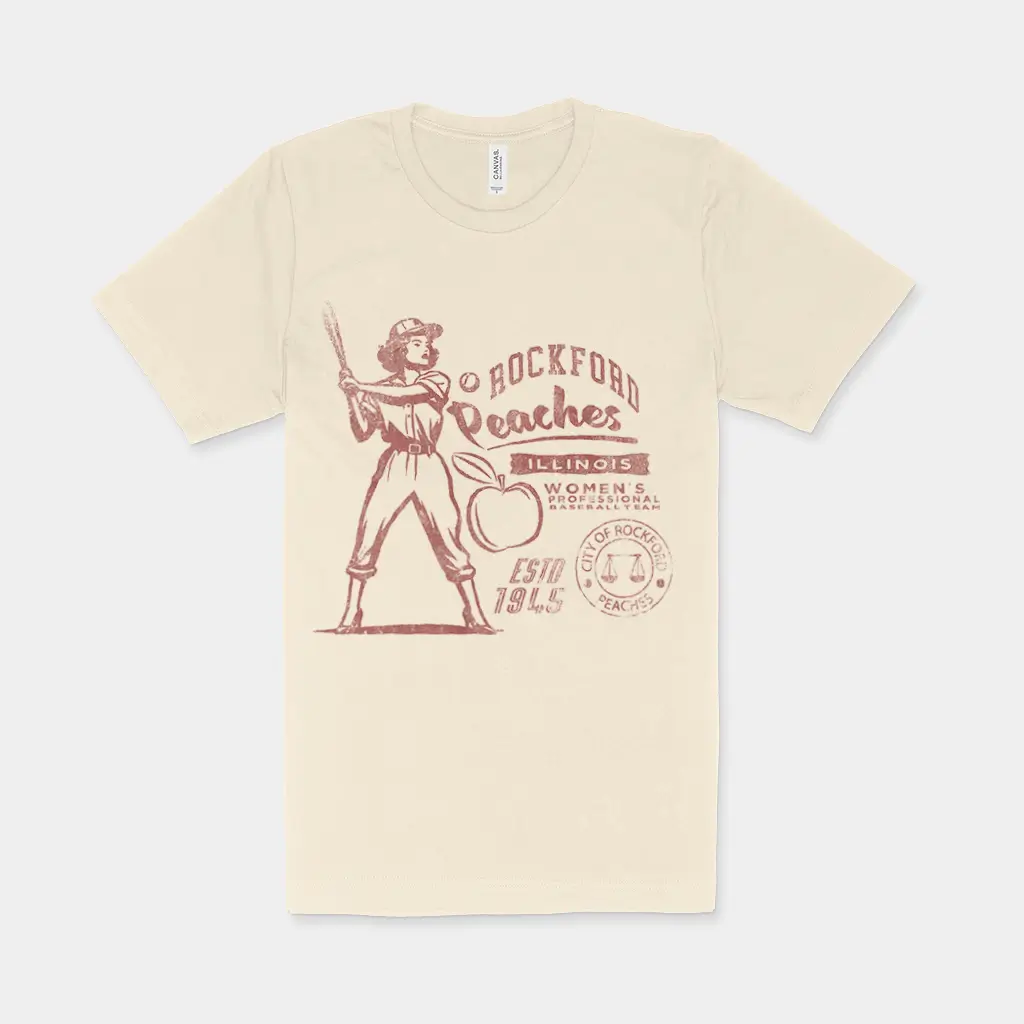
The Rosewood Stars left almost no written record. No statistics survive, no rosters, no game accounts. What remains is their name on commemorative T-shirts, in brochures, in family memory. Their legacy is partly a reconstruction: a way for descendants to inhabit the history of a community whose material reality was burned to the ground.
That is precisely where their symbolic force lies. The Stars represent what Rosewood was before: a community capable of organizing itself, of celebrating, of playing. And what racial violence set out to erase. Today, as debates over the teaching of racial history grow sharper across the United States, Rosewood remains a case study in the fullest sense. Its history is embedded in Florida’s school curricula, and its reparations model inspired the 2021 legislation for descendants of the Ocoee massacre.
Rosewood’s memory did not reconstitute itself. It was pulled from silence by journalists, historians, and survivors who eventually found the courage to speak, and by legislators willing to listen. The Rosewood Stars disappeared on a January day in 1923. Their memory is still in play.